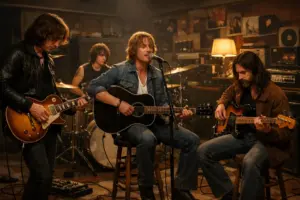

The Enduring Influence of Classic Rock
When we think about the evolution of classic rock, our minds inevitably drift back to the rich tapestry of the 1970s. A pivotal year within this musical timeline was 1973, a time when a myriad of artist breakthroughs emerged, leaving indelible marks on the landscapes of rock history. From the electrifying debut albums that captivated fans to the defining rock albums that have become staples of the genre, 1973 was truly a landmark year in classic rock.
1973: A Musical Revolution
The fascination with classic rock is rooted in the incredible transformations that took place in 1973. This year saw the release of some of the most iconic albums and songs that would shape the future of music. Major acts from the late 60s were gradually fading, making space for new, groundbreaking sounds. Notably, this year welcomed the debut albums of legends like Bruce Springsteen and Aerosmith, marking the beginning of remarkable careers worthy of notable acclaim in the realm of classic rock.
- Aerosmith: Their self-titled debut album was released on January 5, showcasing a fresh sound that resonated with the burgeoning hard rock scene.
- Bruce Springsteen: Also releasing his debut album, Greetings from Asbury Park, N.J., Springsteen’s poetic lyrics and robust melodies introduced a new narrative style to rock.
- Queen: On July 13, Queen’s self-titled debut brought theatricality and stunning musicianship, setting the stage for their stellar rise in classic rock.
Key Events of 1973 in Classic Rock
The year was not just about new names; it was filled with significant music events that contributed to the fabric of classic rock. Here are some noteworthy happenings from that iconic year:
- Pink Floyd’s groundbreaking album, The Dark Side of the Moon, was released on March 1, eventually becoming one of the best-selling albums of all time.
- The Rolling Stones performed remarkable concerts, including a benefit show in January for earthquake victims, demonstrating their commitment to social causes.
- Other legendary albums were released, including works from artists such as Elvis Presley and David Bowie, proving that the old guard could still electrify audiences.
In addition to the personalities mentioned, 1973 also marked the emergence of new musical genres beyond the bounds of rock. The inklings of punk began to coalesce with groups like the New York Dolls, while reggae started to make its presence known in the musical discourse, eventually intertwining with the sounds of classic rock.
The Legacy of Classic Rock in Today’s Music
The impact of artists from that era is still felt in today’s musical landscape. Bands that formed in 1973 continue to inspire newer generations. For instance, the debut albums of Aerosmith and others not only defined them as artists but also significantly influenced the sound of subsequent rock bands. The artistry displayed during this period laid down the groundwork for the rock albums that are celebrated today.
As we dive deeper into rock history, the exploration of these milestones helps us appreciate the evolution of musical genres and artist breakthroughs that have transformed classic rock into a beloved and timeless category of music. For further insights, check out Rolling Stone’s retrospective on the significant events of 1973 in music.
Conclusion
Reflecting on 1973 and its contributions to classic rock can help us appreciate how far music has come and the foundational influences that continue to inspire artists today. As we celebrate these classic sounds and the stories behind them, it becomes clear that the legacy of 1973 in the realm of rock remains indispensable.
Related Reading
- Classic Rock
- Music History
- 1970s Music
- Album Releases
- Rock Legends
- Pop Culture
- Live Performances
- Tribute Albums
Watch on YouTube: