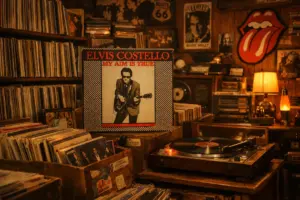

Exploring the Phenomenon of Re-Released Singles
In the ever-evolving world of music, we often encounter the phenomenon of re-released singles, where songs get a second chance at success after initially soaring below the radar. The miraculous journey of these tracks showcases not only the timelessness of certain melodies but also the unpredictable nature of the music industry. From classic rock anthems to pop masterpieces, re-released singles often surprise listeners and reach heights previously unimagined.
The Backstory of Re-Released Singles
Many artists, including legends like Aerosmith and Neil Diamond, have seen their tracks meteoric rise after their initial releases failed to attract much attention. This can happen for various reasons, such as poor radio play, an unripe market for the artist’s style, or even the inclusion of a song in a cult classic film. Notably, these reissued tracks shine a light on how the industry dynamics shift over time and how trends can resurface in unexpected ways.
Iconic Re-Released Singles That Made a Splash
- “Dream On” by Aerosmith – Originally released in 1973, this iconic power ballad crested at #59 on the charts. However, with the momentum of their subsequent hit “Sweet Emotion,” the song was re-released in 1975, climbing to #6. This transformation solidified it as Aerosmith‘s signature song.
- “Solitary Man” by Neil Diamond – Although Diamond’s debut in 1966 only saw modest success, his continued evolution led to *Bang Records* re-releasing the song, which then climbed to #21—a testament to Diamond’s enduring legacy in music.
- “Red Red Wine” by UB40 – This reggae classic was relatively unnoticed at first but found renewed life after a performance at Nelson Mandela’s 70th birthday concert. Following its re-release, it skyrocketed to #1, showcasing the power of cultural moments.
The Cultural Impact of Re-Released Singles
Re-released singles often reflect societal changes and cultural moments that resonate with the public. For instance, with tracks like “Everybody’s Talkin'” by Harry Nilsson, the song gained new life because it was featured in the film Midnight Cowboy. Such instances illustrate not only the interconnectivity of music and film but also how pivotal moments in history can breathe new life into forgotten hits.
Moreover, classic tracks from other genres also benefitted from re-releases. The country-rock charm of “Amie” by Pure Prairie League, which gained traction after its re-release in the mid-1970s, further emphasizes how a song’s journey can transform through popularity in niche markets, such as college campuses.
Conclusion: A Second Chance for Timeless Tunes
The magic of re-released singles is that they remind us that songs can find their audience in unexpected ways. They testify to the resilience of artists and the timeless nature of their work. Whether it’s a power ballad from Aerosmith or a classic rock staple by Lynyrd Skynyrd, the music world reveals that sometimes all it takes is a second chance for a hit to become a lasting favorite.
For further exploration on music history and iconic artists, check out these resources: Rolling Stone and NPR Music.
Related Reading
Watch on YouTube: