Graham Parker & the Rumour’s ‘Heat Treatment’: Where Pub-Rock Meets New Wave
In the landscape of 1970s music, few moments stood out as vividly as the unveiling of the Pazz & Jop Poll winners by the Village Voice in 1976. The results showcased a striking phenomenon: an unknown English musician managed to snatch two of the top five spots, capturing the attention of music critics and fans alike. This musician was none other than Graham Parker, and his band, The Rumour, played an essential role in reshaping the music scene, firmly positioning themselves at the confluence of pub-rock and new wave.
The Rise of Pub-Rock
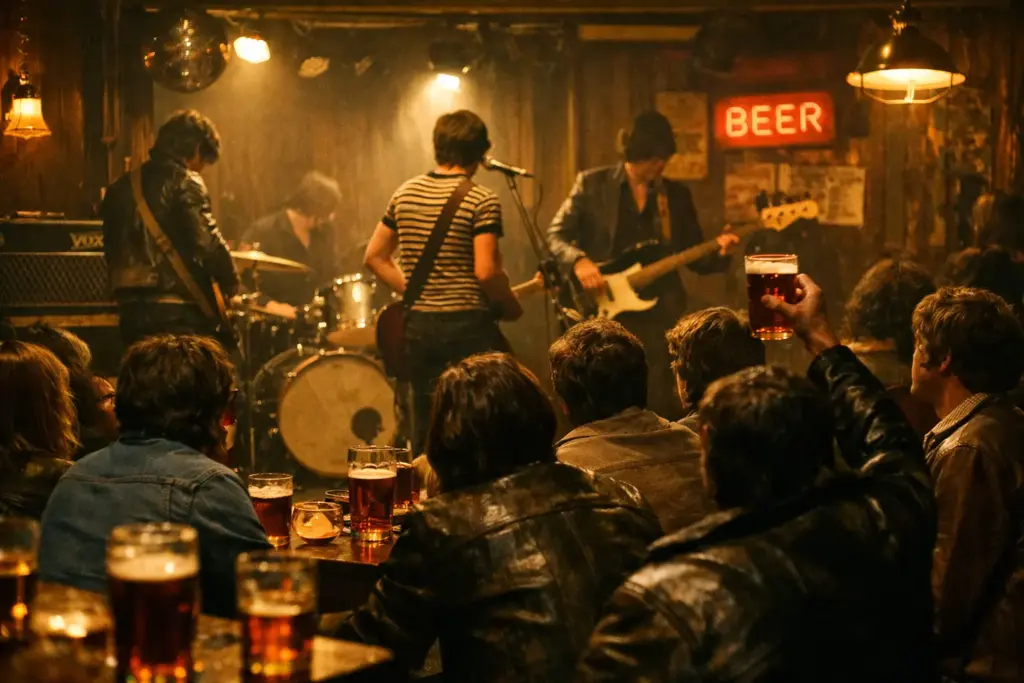
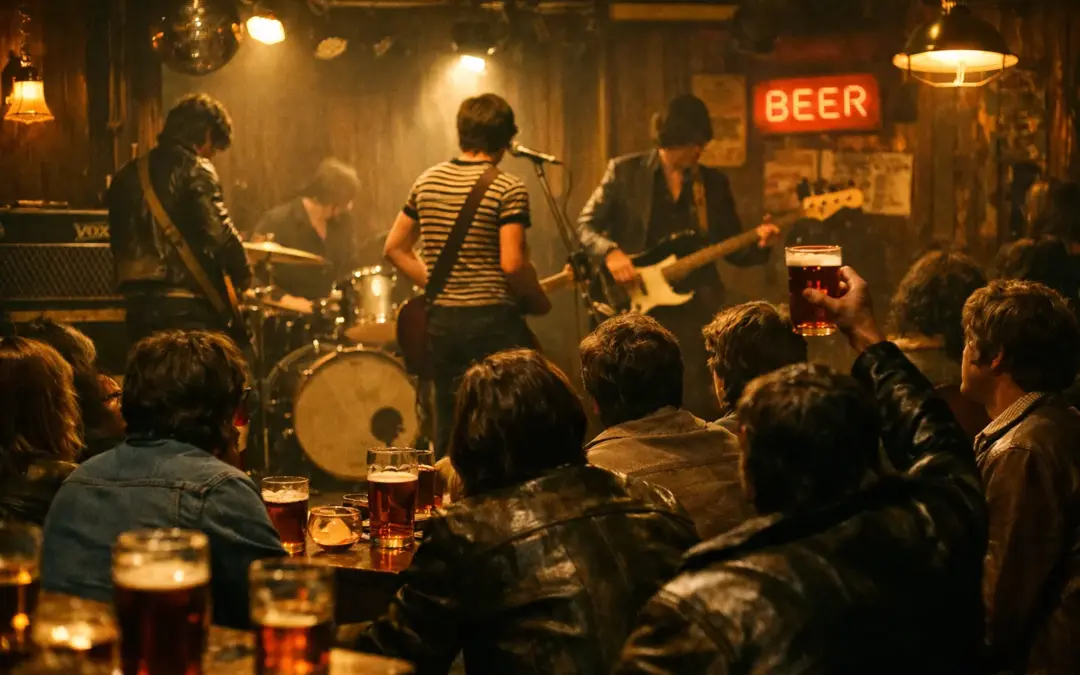
Before we delve deeper into the significance of Parker’s work, it’s important to understand the roots of pub-rock. Emerging in the early 1970s, this genre was characterized by its raw sound and emphasis on live performance. Bands like Dr. Feelgood and Graham Parker & the Rumour were at the forefront, blending rock and rhythm & blues with a do-it-yourself ethos. Pub-rock provided a counter-narrative to the elaborate productions prevalent in mainstream rock at the time.
Graham Parker’s Breakthrough
‘Heat Treatment’, released in 1976, showcased Parker’s unique songwriting and vocal prowess. Tracks from the album perfectly encapsulated the gritty essence of pub-rock while hinting at the burgeoning style of new wave, which would gain popularity in the latter part of the decade. Critics lauded the album for its energetic performances and incisive lyrics that tackled social issues with a distinct wit.
Parker’s Impact on the New Wave Scene
Parker’s fusion of genres not only appealed to pub-rock enthusiasts but also paved the way for the future of new wave music. As the 1970s progressed, artists began to adopt a more eclectic sound, embracing influences from punk, pop, and rock. This evolution is highlighted in how ‘Heat Treatment’ balances catchy melodies with strong narratives, thus becoming a prototype for the sounds that defined new wave in the 1980s.
As the decade wore on, many artists, influenced by Parker’s style, emerged, eager to carve out their identity in the music industry. This cross-pollination of genres enriched the musical tapestry of the era, leading to the birth of iconic new wave bands like Talking Heads and The Police. Parker’s work continues to resonate, illustrating that the boundaries of rock music are ever-expanding.
Conclusion: A Lasting Legacy
The legacy of Graham Parker & the Rumour’s ‘Heat Treatment’ is one that is firmly etched in the annals of music history. By merging the rawness of pub-rock with the emerging sounds of new wave, Parker crafted a timeless sound that still holds relevance today. For those looking to explore the intertwining paths of these genres, Parker’s work serves as an essential touchstone. As we reflect on this period, it’s clear that innovation came from artists willing to defy conventions and push the boundaries of what rock music could be.
As seen in Parker’s journey, the influence of one artist can reverberate across decades, inspiring countless musicians to reimagine the possibilities of their creative expressions.
Related Reading