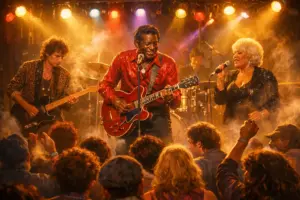

Discovering the Essence of Timeless Music
Music can often reflect the periods from which it emerges, capturing the essence of its time while simultaneously resonating across generations. What we deem as timeless music often bears a unique ability to evoke nostalgia, deep emotions, and fond memories, even decades after its creation. As listeners, we find ourselves drawn to songs that are not just popular, but have become staples in the soundtracks of our lives.
What Makes Music Timeless?
The concept of timeless music goes beyond catchy melodies or innovative sounds. Several factors contribute to the enduring appeal of certain tracks:
- Relatable Lyrics: Songs that tell a story resonate deeply with listeners, allowing them to connect on a personal level.
- Universal Themes: Themes of love, loss, triumph, and heartache are relatable to people across different ages and backgrounds.
- Innovative Sound: A unique sound can set a track apart, making it memorable and fresh even years later.
For instance, music from the 1980s often exemplifies these characteristics. By blending genres and breaking conventional molds, many artists created timeless music that remains influential today. According to NPR, this era laid the groundwork for contemporary music, often revisited for its bravery and eclecticism.
New Releases in the Realm of Timeless Music
Even today, new albums are emerging that capture the spirit of timeless music. For example, Jeff Slate is set to release ‘A World Called Desire: The Townshend Tapes Redux,’ an album that pays homage to legendary sounds. It’s intriguing how such releases can feel both contemporary and nostalgic, evoking feelings from a previous era while remaining fresh and relevant.
The Cultural Impact of Timeless Music
The influence of timeless music extends beyond just personal enjoyment; it shapes entire cultures and movements. Songs have the power to bring people together, provoke thought, and even inspire social change. This is apparent as contemporary musicians often sample or cover classics, breathing new life into them for younger audiences.
The rhythms and melodies that were once dominant can thus be recontextualized, allowing them to remain part of the global music dialogue. As Billboard discusses, sampling helps introduce new generations to the music of the past, creating a bridge between the old and new.
Conclusion
Ultimately, timeless music signifies more than just a sound; it embodies the spirit of human experience. As we continue to explore music from various eras, it’s exciting to see how future generations will reinterpret these classics and what new masterpieces they will create. Whether through nostalgic tracks or innovative new releases, the journey of timeless music remains a vibrant part of our collective narrative.
Related Reading