American Graffiti: A Timeless Classic of the 1970s
Released in 1973, American Graffiti is a quintessential coming-of-age film that not only defined an era but also served as a launchpad for many prominent actors in Hollywood. Directed by George Lucas, the film features an ensemble cast including Ron Howard and Richard Dreyfuss, whose performances have become iconic over the years. From its nostalgic portrayal of youth culture to its unforgettable soundtrack, American Graffiti remains a beloved classic.
Exploring the Cultural Resonance of American Graffiti
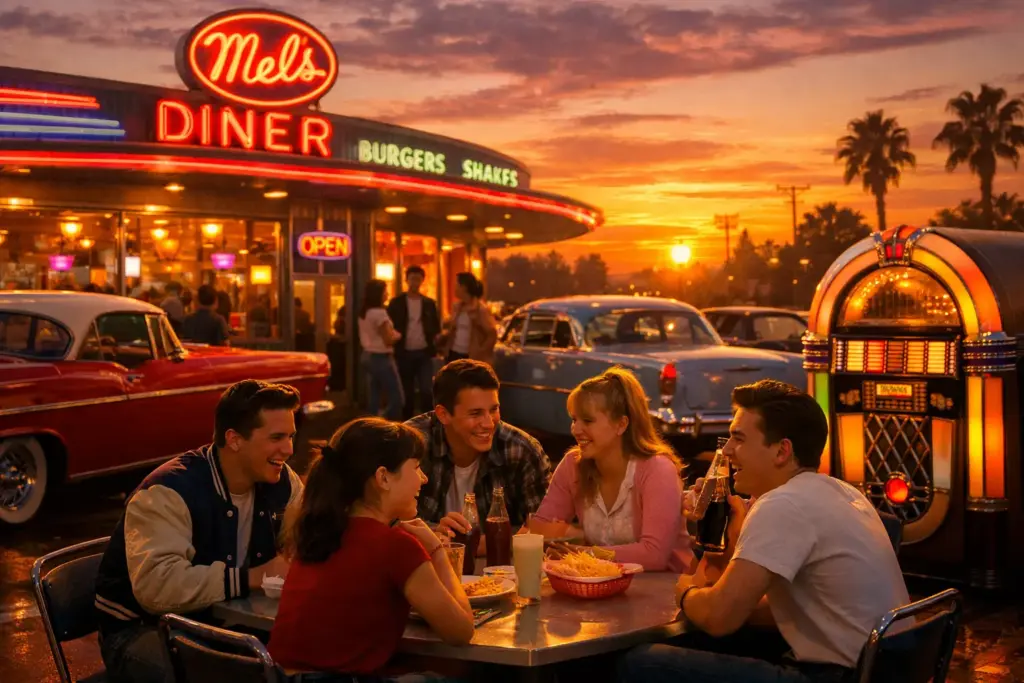
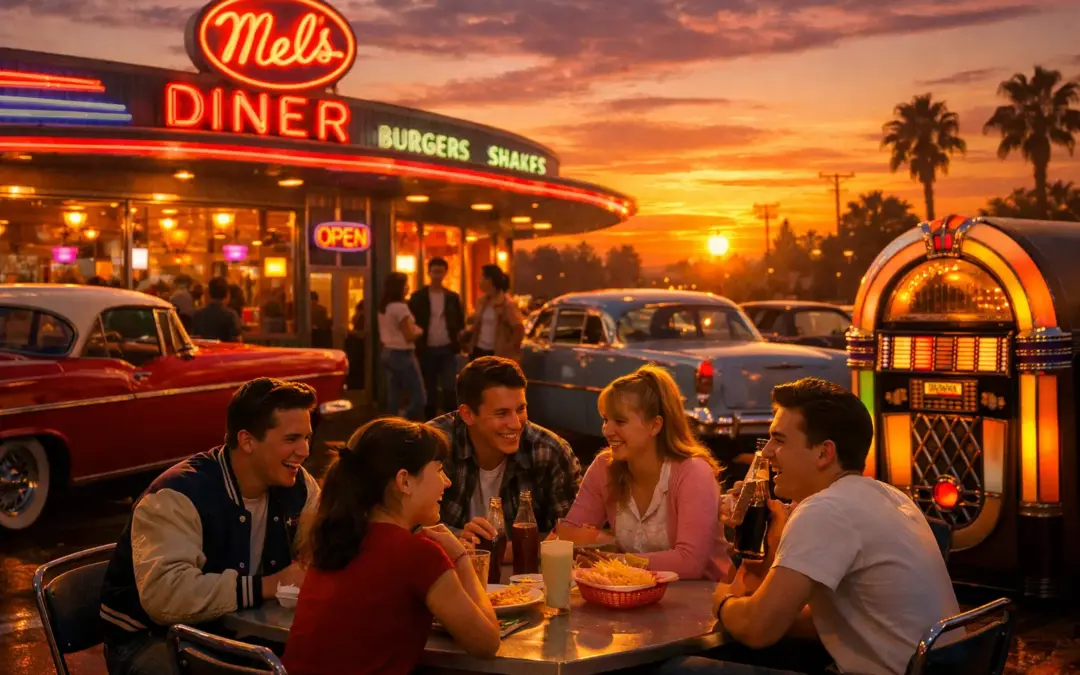
American Graffiti takes place in the early 1960s, capturing the essence of a time when cruising down the streets and hanging out at diners were the height of teenage leisure. The film brilliantly portrays the excitement and uncertainty of adolescence, set against the backdrop of the burgeoning rock ‘n’ roll scene. It reflects the cultural shifts that would come to define America in the decades that followed.
As the characters navigate their last summer before college, they encounter the thrill of first loves, the anxiety of impending adulthood, and the profound hope that comes with youth. This capturing of the bittersweet moments of growing up speaks to audiences even today, making American Graffiti a relatable narrative across generations.
The Legacy of American Graffiti
Beyond its initial success, American Graffiti paved the way for filmmakers to explore youth-centric stories. The film was well-received by critics and audiences alike, leading to a strong legacy in both cinema and popular culture. Its influence can be seen in subsequent films that delve into the lives of young adults, emphasizing character development and the trials of growing up. According to IndieWire, it helped change Hollywood’s narrative approach for years to come.
Celebrating the Impact of American Graffiti
The film’s celebration of rock music, vintage cars, and youthful rebellion ties deeply into the fabric of American identity. The soundtrack alone, featuring classic hits from artists like Chuck Berry and The Beach Boys, became a nostalgic gateway for audiences, enhancing the film’s emotional resonance. American Graffiti wasn’t just a movie; it was a cultural phenomenon that mirrored the hopes and dreams of a generation.
Today, the film continues to be referenced and celebrated in multiple forms, including theatre productions and documentaries about the 1970s. American Graffiti remains a benchmark for new filmmakers aspiring to capture the essence of youth and American life.
Conclusion
As we reflect on the lasting impact of American Graffiti, it’s clear that its celebration of youth, culture, and the transitions of growing up resonates with audiences even decades later. George Lucas’ masterful storytelling and the film’s rich characterizations have solidified American Graffiti as an essential part of cinematic history.
Related Reading