The Shift in Music: Understanding the Top 40 Programmers’ Focus on Rock in 1976
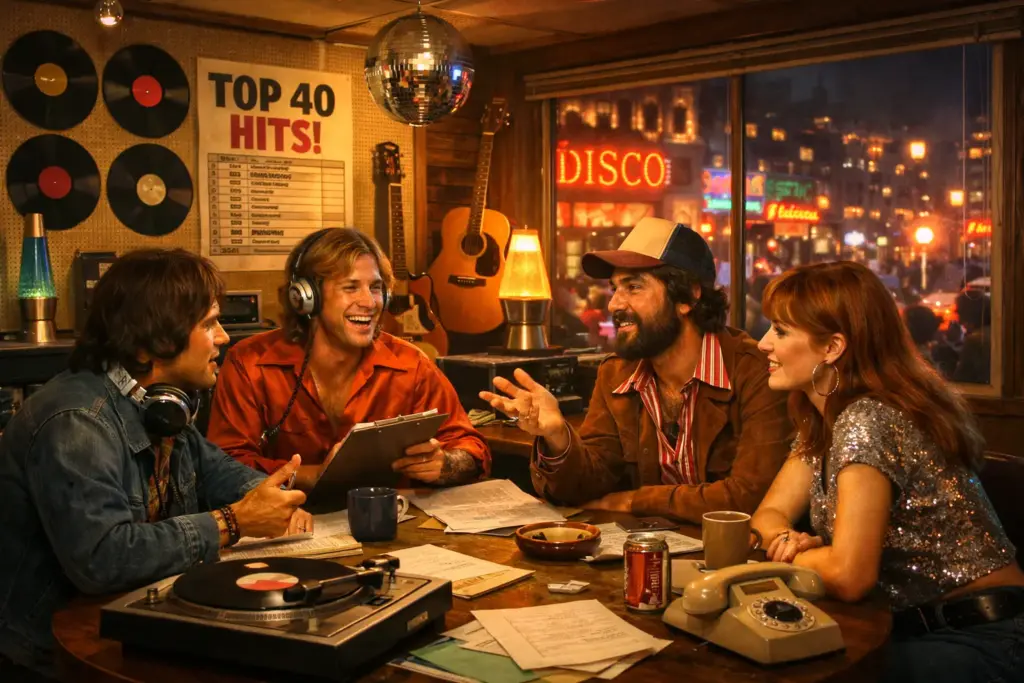
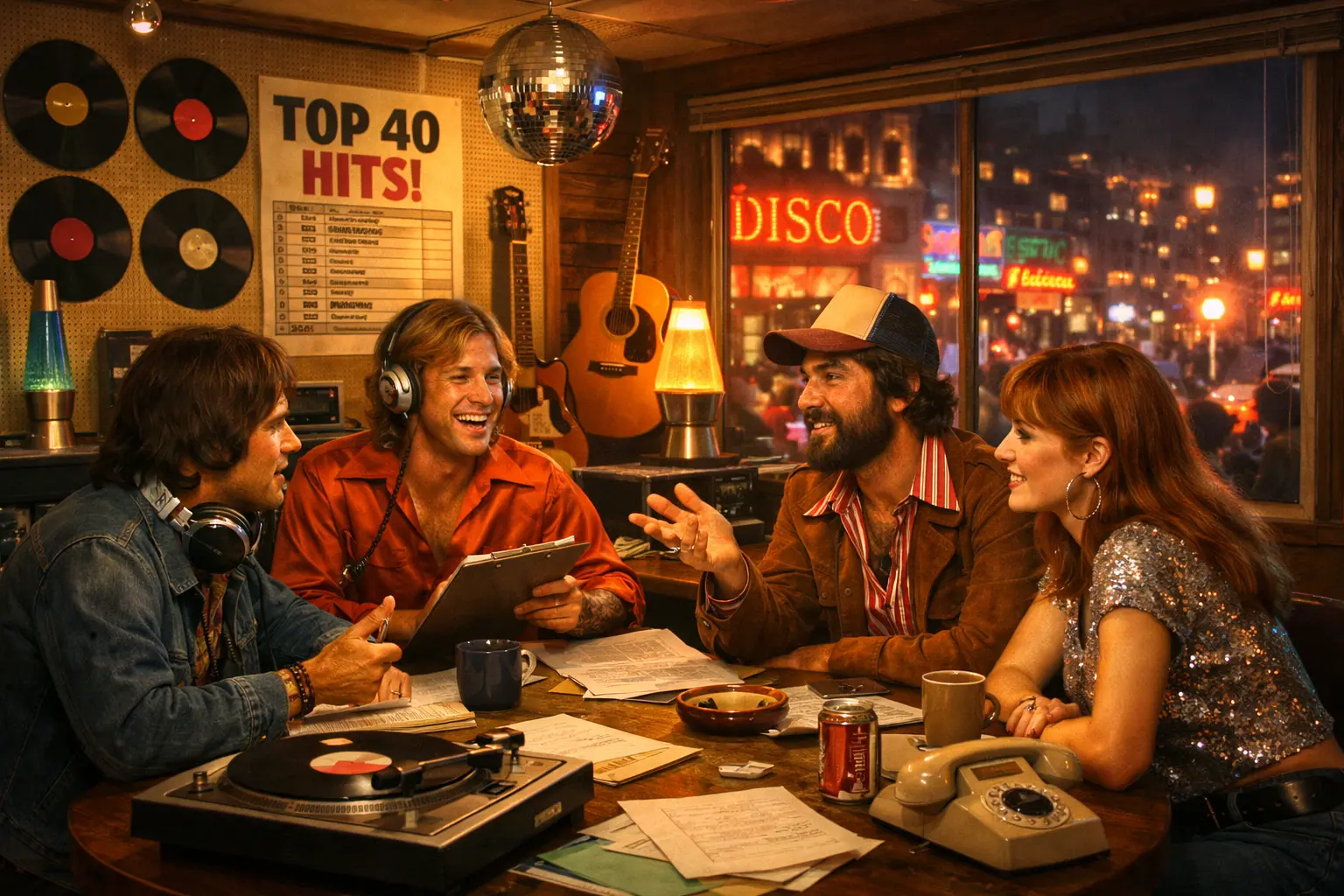
The Top 40 programmers of the mid-1970s reflected a notable transition in the music industry. As audiences flocked to the dance floor, a wave of disco hits began to dominate the charts. This shift resulted in a significant decrease in the number of rock songs being featured, which left many fans wondering about the future of their beloved genre.
The Rise of Disco and Its Impact on Rock Music
In 1976, the music scene experienced a transformation as disco emerged as a force to be reckoned with. The pulsating beats and infectious rhythms captivated listeners, leading to a surge in popularity among clubs and radio stations alike. According to NPR, this phenomenon wasn’t just a passing fad; it marked a cultural shift that affected many artists and their creative expressions.
Why Top 40 Programmers Caught Disco Fever
The Top 40 programmers began to favor disco hits for several reasons:
- Audience Demand: As people sought lively, danceable tunes, radio stations adapted to listeners’ preferences.
- Marketing Strategies: Labels pushed artists who could create tracks that fit the disco mold, as they had higher profit potential.
- Social Trends: The social atmosphere of the 1970s celebrated nightlife, and disco music became synonymous with fun and festivities.
Rock Acts During the Disco Era
<pWhile rock did not vanish entirely, the quantity of rock songs featured was diminished in comparison to disco tracks. However, some rock artists began experimenting with their sounds to retain radio relevance. This led to the birth of genres like soft rock and progressive rock, which integrated dance elements in a bid to attract audiences. The Top 40 programmers embraced these new directions while still favoring high-energy disco tracks.
Key Rock Songs Surviving the Disco Wave
Despite the overwhelming disco presence, certain rock songs managed to break through the noise. Tracks like “More Than a Feeling” by Boston and “Dream On” by Aerosmith stood out. These songs demonstrated that rock could coexist with the dance-driven sounds of disco, even if they were fewer in volume on the charts.
Conclusion: The Legacy of 1976 in Music History
The interplay between Top 40 programmers, disco, and rock music in 1976 illustrates the dynamic nature of popular music. The influence of disco has left an indelible mark, shaping future genres and the way artists approach music-making. As we reflect on this vibrant era, it’s essential to appreciate how these shifts have crafted the musical landscape we enjoy today. For deeper insights into music genres and their evolution, visit History.com.
Related Reading