
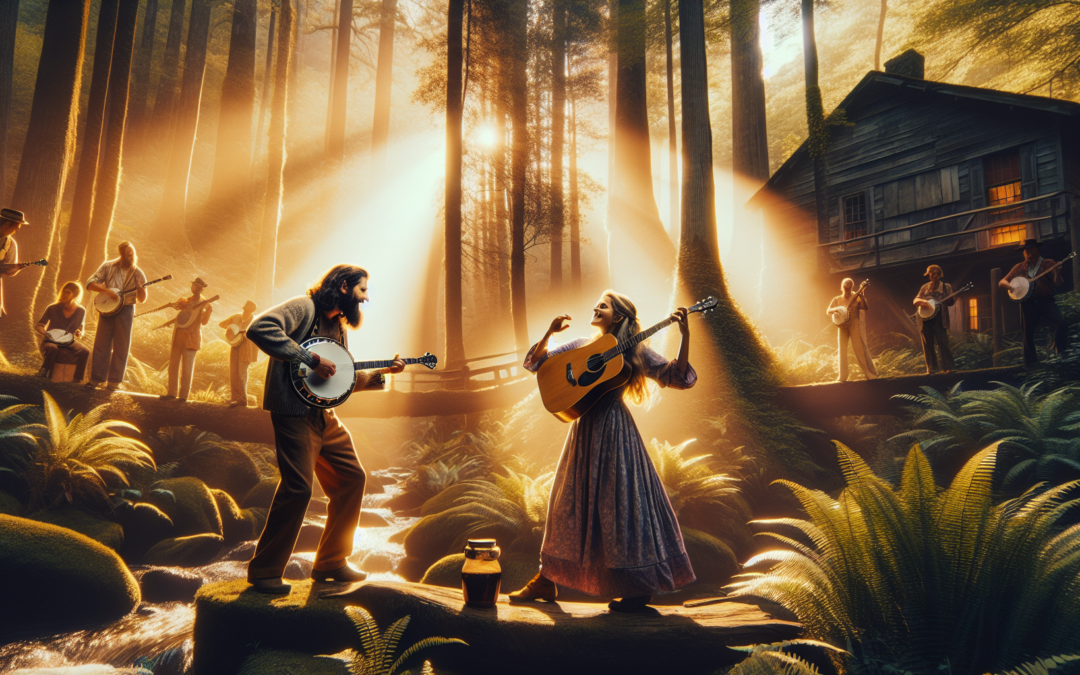
Dueling Banjos: The Iconic Soundtrack of a Generation
In the world of 1970s music, few songs evoke the same degree of nostalgia and cultural significance as Dueling Banjos. Released in December 1972 and featured in the groundbreaking film Deliverance, this instrumental piece has cemented its place in both music history and cinema. The song is a remarkable collaboration between musicians Eric Weissberg and Steve Mandell, who transformed a simple tune into a Top 40 hit that continues to resonate with audiences today.
The Origins of Dueling Banjos
Dueling Banjos was originally composed by Arthur “Guitar Boogie” Smith in 1954 under the title “Feudin’ Banjos.” Although Smith recorded it shortly after its composition, it gained substantial fame when performed by the Darlings on The Andy Griffith Show in 1963. This early exposure set the stage for its resurgence during the early 1970s, but it was the inclusion in Deliverance that propelled it into the limelight.
Deliverance and Its Impact
Deliverance, adapted from James Dickey’s 1970 novel, features a story of city dwellers navigating the wilderness of Georgia. The film, starring Burt Reynolds and Jon Voight, includes a memorable scene where one character engages in the iconic musical duel with a local banjo player, creating an unforgettable cinematic moment. This poignant interaction not only highlighted the cultural clash between urban and rural America but also allowed Dueling Banjos to gain a foothold in popular culture.
The Musical Duo: Eric Weissberg and Steve Mandell
The recording of Dueling Banjos features Weissberg on banjo and Mandell on guitar. Their version was released under Warner Bros. Records and made an impressive debut on the charts, peaking at number one on February 17, 1973. Notably, this success brought them a Grammy for Best Country Instrumental, which further solidified the song’s legacy and showcased the talent of these musicians.
A Lasting Legacy
While Weissberg and Mandell enjoyed commercial success, their respective careers also flourished outside of this collaboration. Weissberg, a Juilliard-trained musician, contributed to numerous projects and recorded with various artists, demonstrating the diversity of his talent. Mandell, on the other hand, also played guitar for notable acts like Judy Collins, further intertwining his musical journey with the fabric of country instrumental music.
Even after their untimely passings, the influence of Dueling Banjos remains strong. As the years go by, the song continues to dominate folk and bluegrass festivals, ensuring that new generations discover its charm. Whether it’s through remakes, covers, or simply the original recording, Dueling Banjos has etched itself indelibly into the annals of music history.
Conclusion: The Enduring Appeal of Dueling Banjos
The success of Dueling Banjos serves as a prime example of how a song can transcend its origins to become a cultural phenomenon. Its unique sound and association with Deliverance have allowed it to cross generations, making it a classic that echoes through the halls of music history. As it continues to inspire and entertain, this banjo-driven tune reminds us of the power of music to connect, reflect, and resonate.
Related Reading
Watch on YouTube: