Eagles and the Shift from the ’60s to the ’70s: A Deep Dive
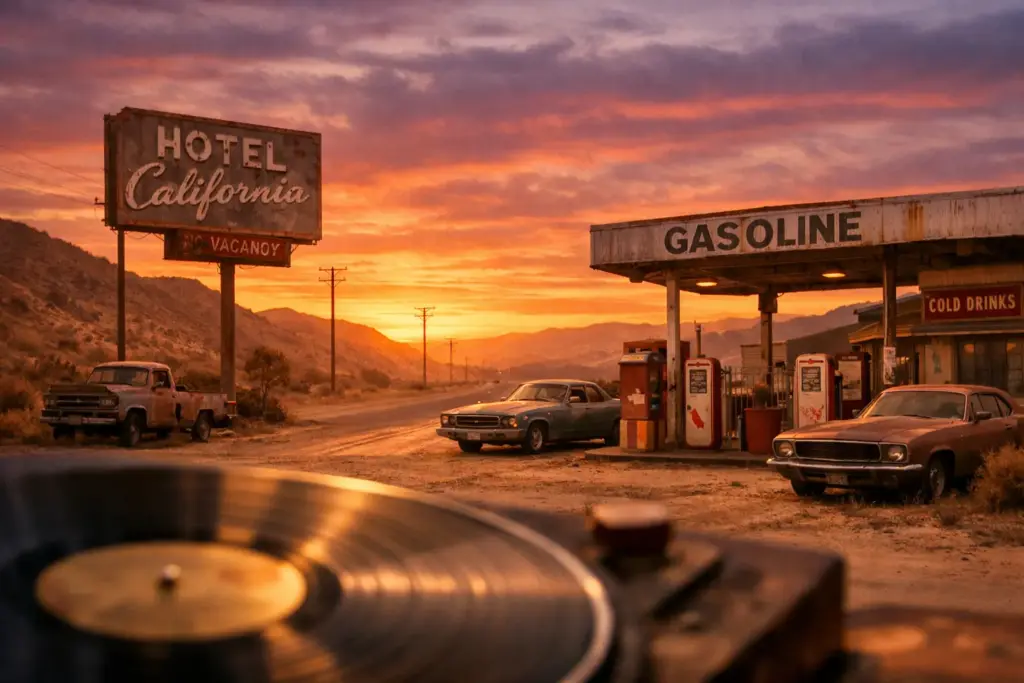
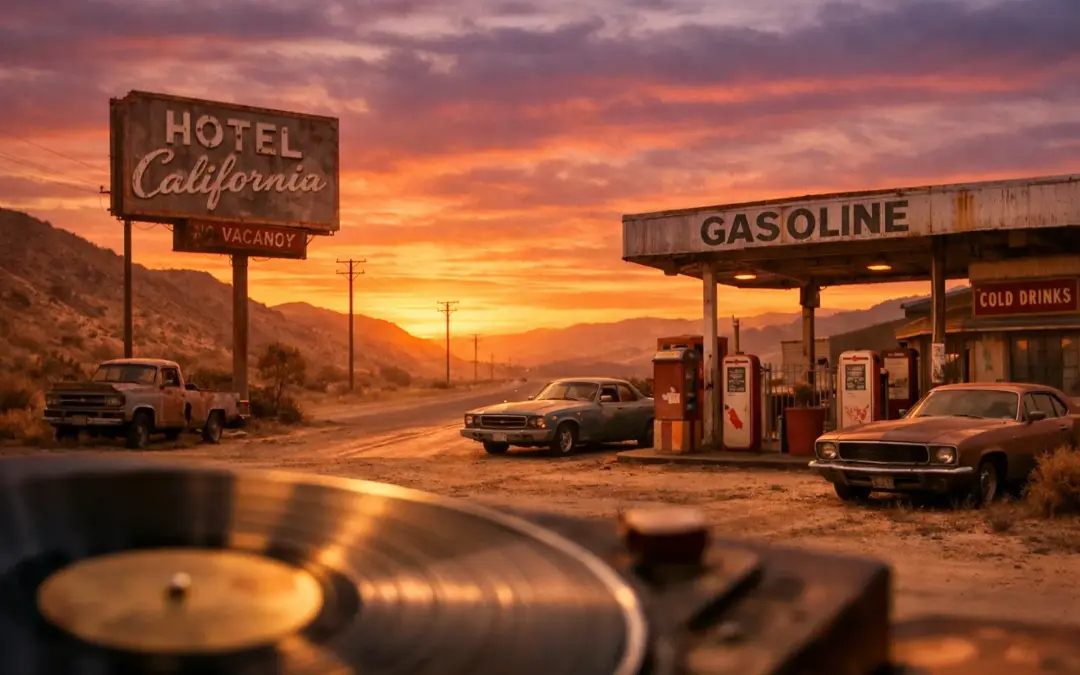
The Eagles have long been a defining force in classic rock, symbolizing the transition between the utopian ideas of the 1960s and the disillusionment of the 1970s. Their music carries with it stories of heartache, freedom, and the complexities of life in America during these transformative years. A recent book titled “Eagles and Hotel California: 50 Years” offers a definitive visual and narrative exploration of this iconic record, providing insights into how it encapsulated the cultural zeitgeist of its time.
The Cultural Landscape of the ’60s and ’70s
Throughout the 1960s, music was a powerful medium for expressing hopes, dreams, and social change. Bands like Eagles emerged as the decade came to a close, drawing on the psychedelic sounds that characterized the era. However, as the ’70s dawned, a palpable shift occurred. The carefree attitudes of the previous decade met stark reality, leading to a more introspective and sometimes cynical lyrical approach. This was the backdrop against which “Hotel California” was born, a masterpiece that starkly contrasts the bold dreams of the ’60s with the sobering truths of the 1970s.
“Hotel California”: A Reflection of Its Era
“Hotel California” became a monumental work not just for its musical prowess but also for its rich storytelling. Lyrically, it reflects themes of excess, isolation, and the dark side of fame, resonating with a generation that was beginning to question the American Dream. The line “You can check out anytime you like, but you can never leave” encapsulates a feeling of entrapment that many felt during this tumultuous period. This haunting sentiment has made it a staple in Eagles lore and a defining moment within rock history.
The Impact of the Eagles’ Music
The impact of the Eagles on music and culture cannot be overstated. Their fusion of rock, country, and pop elements set new standards for musicianship and commercial success. Tracks like “Take It Easy” and “Desperado” further deepened their connection with an audience wrestling with the complexities of an ever-changing world. This evolution in sound and storytelling can be traced through hits that explore similar themes of love, loss, and searching for meaning in a chaotic world.
As documented in the book, the Eagles’ journey from their formation to the global stage is a narrative of resilience and reinvention. The acknowledgment of their roots in the ’60s sets the stage for understanding their contributions to the 1970s music scene, marked by an introspection that mirrored the societal shifts prevalent during that decade.
Looking at the Legacy
Today, the legacy of the Eagles continues to thrive. Their music remains relevant, inspiring new generations of musicians and listeners alike. The exploration of their work through books like “Eagles and Hotel California: 50 Years” not only celebrates their achievements but also serves as a reminder of the power of music to reflect and influence culture. As we reminisce about the sounds that shaped a generation, it’s clear that the Eagles will forever be a part of that narrative.
For anyone interested in diving deeper into the fascinating history of the Eagles and their groundbreaking album, this book is an essential read. It’s an opportunity to gain insights into how these artists navigated one of the most dynamic periods in American music history.
Further Explorations of the Era
As we explore the complexities of musical evolution, understanding the broader context of the 1960s and 1970s becomes essential. The impact of these decades on today’s music scene is undeniable, offering a wealth of material for fans and music historians alike.
Related Reading