
Leave It to Beaver:</strong A Classic Television Journey Through Childhood
When it comes to classic television, few shows have left a lasting impression quite like Leave It to Beaver. As a staple of American family entertainment during its run from 1957 to 1963, it not only entertained but also offered sociological insights into mid-century suburban life. One of the child actors who contributed to its charm was Stephen Talbot, most recognized for his role as Gilbert Bates. In this blog post, we explore the show’s legacy and the fascinating stories behind its production through Talbot’s eyes.
The Background of Leave It to Beaver
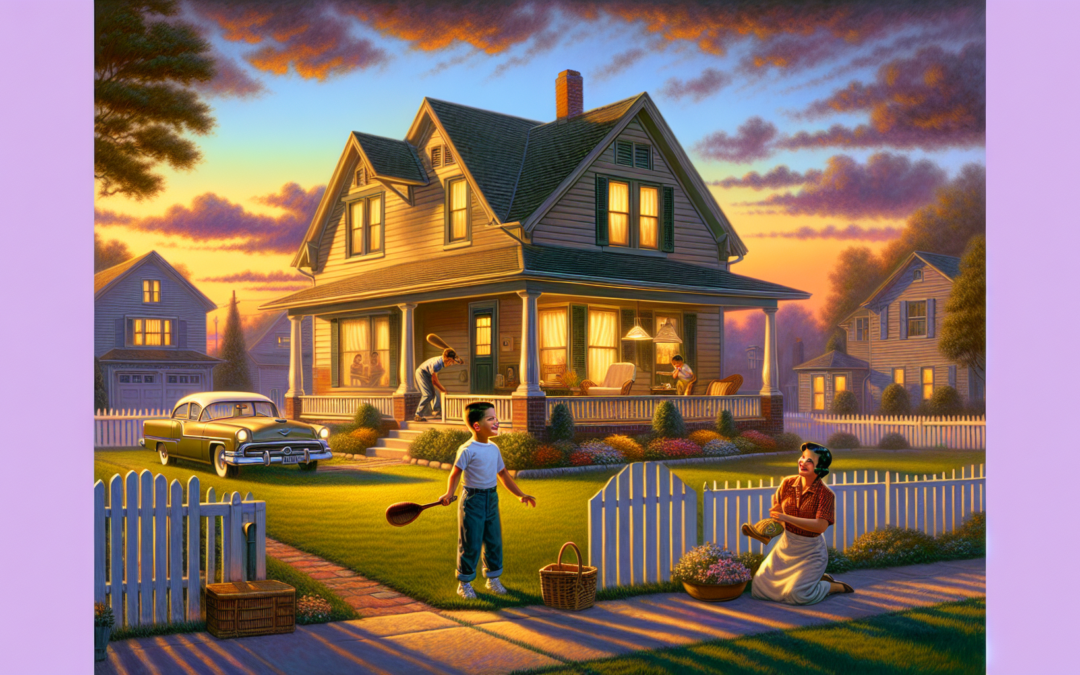
Leave It to Beaver captures the essence of 1950s suburbia through the misadventures of young Theodore “Beaver” Cleaver and his family. Despite being a simple family sitcom, it subtly reflected societal norms and challenges of the time. Talbot, who started acting at a young age, soon found himself part of this iconic ensemble. He reminisces about his days on set, the relationships formed, and the character evolution that took place during the show’s run.
Growing Up in Hollywood
In a recent interview, Talbot discussed the unique experience of a child actor in Hollywood, particularly how he navigated the often challenging landscape while filming Leave It to Beaver. “It was a job, but one I enjoyed immensely,” he shared. The friendships he forged, including those with Jerry Mathers (Beaver) and Richard Correll (other friends of Beaver), were not just professional— they became personal bonds that lasted long beyond the series.
Unpacking the Sociological Impact
The sociological impact of Leave It to Beaver is significant. According to studies by various cultural historians, the show offered audiences a glimpse into the idealized American family life, albeit with underlying societal complexities. Talbot mentioned how striking it was that the creators of this all-white cast show had also produced the controversial “Amos ‘n’ Andy”, illustrating the complexities of racial and cultural representations in media. This duality in content highlights how television serves as both a mirror and a molder of societal perceptions.
Memorable Moments and Character Evolution
Throughout the series, characters evolved and provided viewers with lessons wrapped in humor. Talbot’s character, Gilbert Bates, often found himself in mischievous predicaments alongside Beaver. There’s a memorable line from Gilbert: “I may be a dirty rat, but I’m not a dumb rat,” emphasizing the cleverness and wit that made his character beloved. This type of character evolution is what kept audiences engaged, making Leave It to Beaver stand out among its peers.
The Life After Leave It to Beaver
For many child actors, transitioning into adulthood can be daunting. For Talbot, it was a journey filled with ups and downs, but he ultimately found fulfillment in his roles as a filmmaker and journalist. Today, he looks back on his time in Hollywood with a blend of nostalgia and pride. His experiences reflect not just his personal growth but also a broader trajectory of many child actors who once lit up the screen.
Rumors and Realities
Over the years, Leave It to Beaver has been the subject of various rumors, including the bizarre myths surrounding its cast members, such as Jerry Mathers, with tales of his supposed demise in Vietnam. Talbot recalls how unsettling it was to hear such unfounded rumors spread like wildfire. “They were just that—rumors, often exaggerated for the sake of sensationalism,” he revealed.
Rediscovering Leave It to Beaver Reruns
In today’s age of streaming, many fans can rediscover Leave It to Beaver through reruns. Talbot himself occasionally revisits episodes, reflecting on his portrayal and reminiscing about the filming days. The nostalgia associated with these reruns continues to resonate with audiences, bridging generational gaps by showcasing universal themes of family and friendship.
Final Thoughts
The story of Leave It to Beaver transcends the screen, marking a significant chapter in classic television. Through the lens of child actors like Stephen Talbot, we witness not just the entertainment aspect but also the sociocultural dialogues that were sparked during that era. As we reflect on this iconic show, it becomes evident that its legacy continues to influence both contemporary television and the audience’s perceptions of family dynamics.
Related Reading
Watch on YouTube: