Exploring the Unique Fusion of Rock and Theater in the Glam-Rock Era
The early 1970s marked a groundbreaking period where rock music and theatrical artistry began to intertwine, establishing a vibrant cultural movement known as glam rock. This genre not only transformed the musical landscape but also turned the stage into a platform of self-expression and audacity. As we delve into this fascinating era, let’s explore how these two art forms coalesced to create an unforgettable experience for audiences.
The Cultural Impact of Glam Rock
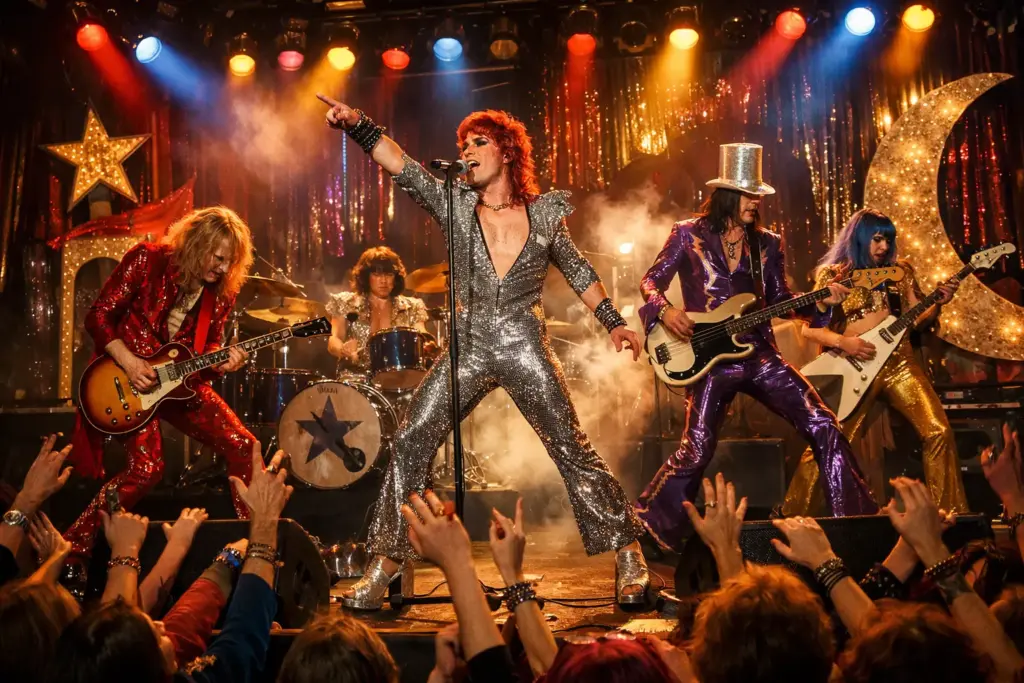
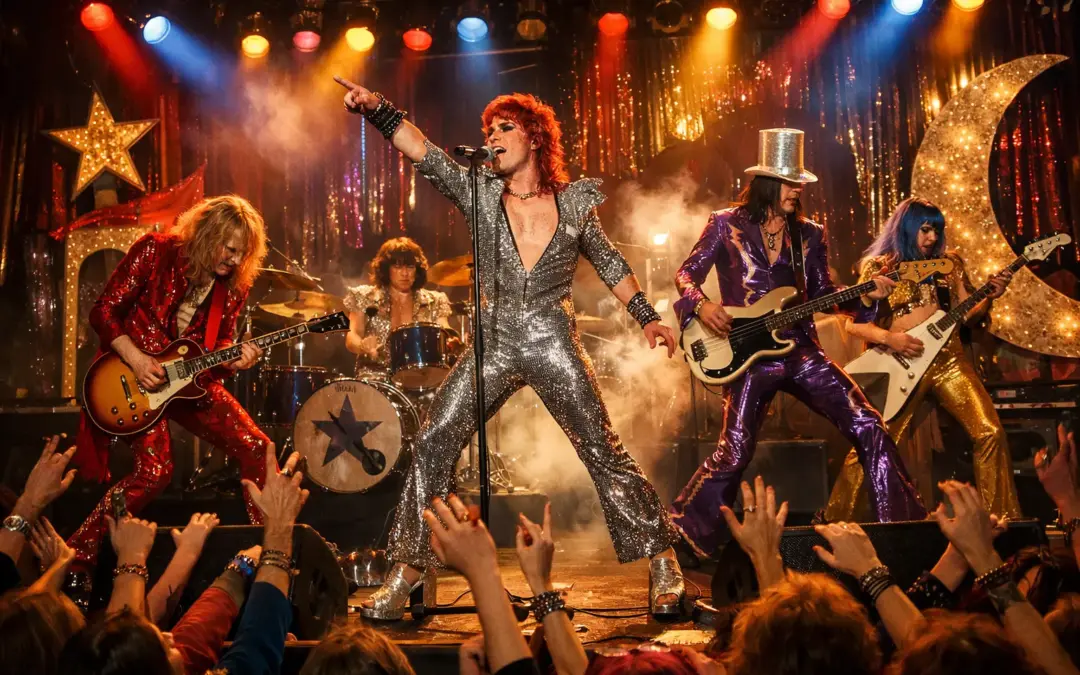
Glam rock was characterized by its flamboyant style, characterized by glitter, outrageous costumes, and dynamic performances. Artists like David Bowie, T. Rex, and Queen blurred the lines between music and visual arts, heavily influencing both the music industry and broader pop culture. This period witnessed a remarkable celebration of individuality and non-conformity, providing a voice for those who felt marginalized in traditional society.
Glam rock’s theatrical nature often led to performances that felt more like elaborate stage shows than conventional concerts. This innovation drew in fans who were not just interested in the music, but also in the spectacle that accompanied it. As The Guardian notes, glam rock created a playful revolution, embracing aesthetics that allowed performers and audiences alike to break free from societal norms.
Iconic Artists and Their Contributions
- David Bowie – Frequently hailed as the pioneer of glam rock, Bowie’s alter ego Ziggy Stardust challenged conventions and drew global attention.
- T. Rex – With their catchy tunes and charismatic lead singer Marc Bolan, T. Rex epitomized the glam rock spirit.
- Queen – Their extravagant concerts and theatrical performances solidified their place in rock history.
These artists pushed boundaries, creating music that resonated with the zeitgeist of the era. Their innovative styles and flamboyant personas encapsulated the essence of glam rock, making it a pivotal moment in rock music history.
Musical Characteristics and Themes
At the heart of glam rock lies its distinctive sound—a blend of rock and roll, pop sensibilities, and art rock elements. The music often featured catchy hooks, bold guitar riffs, and anthemic choruses that were easy to sing along to. Lyrically, glam rock delved into themes of love, identity, and rebellion, capturing the spirit of a generation eager to break free from constraints.
According to a study by NPR, the glam rock movement has left a lasting legacy, influencing countless artists across various genres, including punk, new wave, and even current pop stars who incorporate glam elements into their music and imaging.
Theater Meets Rock: The Stage as a Canvas
The integration of theatrical elements into music was revolutionary. Stages transformed into vibrant spaces that echoed the themes and aesthetics of the songs being performed. Sets became more elaborate, and performances often included visual storytelling, much akin to a Broadway show. This was not merely entertainment—it was a full-fledged cultural phenomenon.
With the rise of glam rock, the notion that rock could be a platform for artistic expression gained traction. The theatrical nature of these performances made them memorable experiences, captivating audiences around the world.
Conclusion: The Legacy of Glam Rock
In retrospect, the glam rock era was a daring exploration of identity and creativity that reshaped the music industry. The seamless blend of rock and theater not only entertained but also encouraged a new generation to embrace individuality. Today, the reverberations of glam rock can still be felt across various musical styles and visual arts, reminding us of its enduring impact on popular culture.
Related Reading
- Glam Rock
- 1970s
- Rock Music
- Theater
- Classic Rock
- Music History
- Musical Genres
- Cultural Impact
- Best Classic Bands