The Unraveling Story of Lennon to McCartney’s 1972 Telegram
In music history, few relationships are as legendary and complex as that of John Lennon and Paul McCartney. After their split from The Beatles in 1970, both artists took separate paths, yet they continued to influence each other’s music and lives. A recent telegram from Lennon to McCartney, dated February 7, 1972, offers a fascinating glimpse into their strained yet hope-filled relationship during that period. This instance serves as a pivotal moment that fans and historians alike are eager to unpack.
A Peace Offering
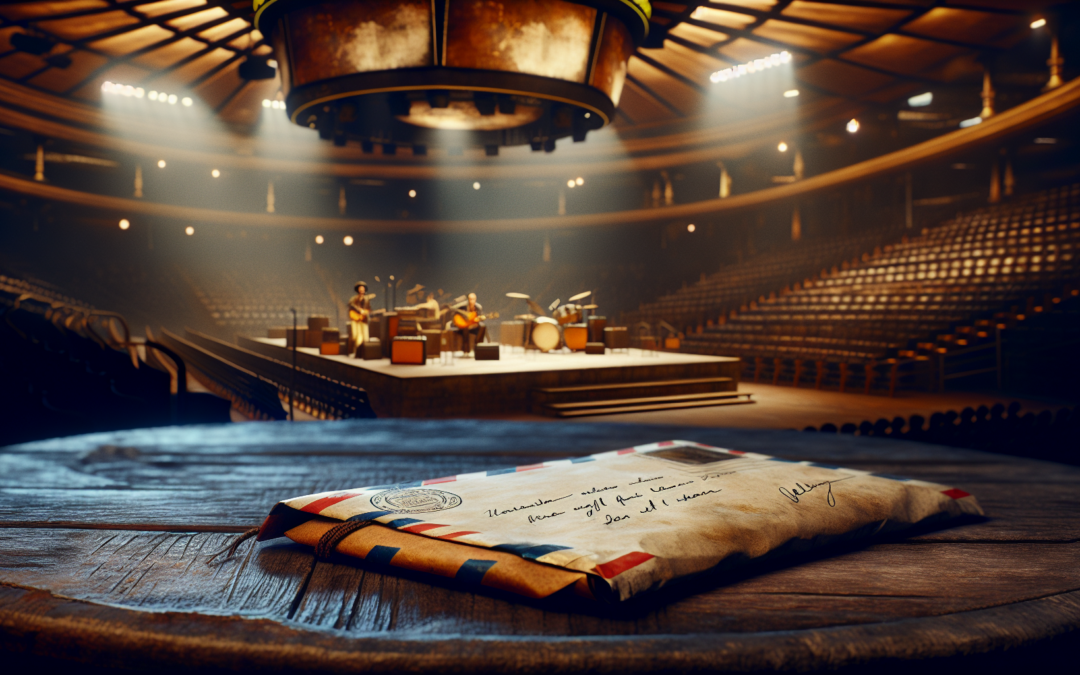
In the telegram, Lennon extended an olive branch to McCartney, suggesting that their respective bands—The Plastic Ono Band and Wings—come together for a charity concert at Madison Square Garden. The message read, “Let’s forget our past and save some people!” This heartfelt communication, found in the recent Billboard article, shows how Lennon sought to mend their fractured dynamic.
Contextualizing the Peace Offering
At the time of this proposal, both Lennon and McCartney were navigating their creative identities post-Beatles. McCartney had just released the protest song “Give Ireland Back to the Irish,” while Lennon was vocal about his anti-war sentiments, particularly with songs like “The Luck of the Irish.” This discord stirred a mixture of competition and camaraderie between the two, despite their public quarrels and personal grievances.
Shared Activism and Rivalry
Lennon’s suggestion for a concert not only highlighted his admiration of McCartney’s new political direction but also the ongoing influence they had on each other’s work. Both were articulate about the issues of the day, from the Northern Ireland conflict to broader social justice themes. For instance, McCartney’s song could be seen as a response to the Bloody Sunday tragedy that resulted in significant outrage. Conversely, Lennon had publicly addressed the same themes with his own music, suggesting a sort of unresolved dialogue between them.
The Telegram’s Impact
This telegram is not only a look back at their rivalry but serves as a reminder of how artists can influence one another, even amid conflict. Both Lennon and McCartney had their strengths and weaknesses, yet they continued to push each other creatively, resulting in memorable music that defined a generation. One wonders how much more powerful “Give Ireland Back to the Irish” might have been had it been a collaboration. Ultimately, it’s clear that their legacies are forever intertwined, shaping the fabric of rock music culture.
Conclusion
The 1972 telegram from Lennon to McCartney is a poignant reminder of the complexities of their relationship—a mixture of rivalry, admiration, and a heartbreaking distance. While it’s uncertain if McCartney ever received this message, or if it changed their relationship, it undoubtedly adds depth to our understanding of these two iconic musicians. Their journey reflects how creativity can blossom even from the challenges of estrangement.
Related Reading
- John Lennon
- Paul McCartney
- The Beatles
- 1970s Music
- Charity Concert
- Music Documentary
- Rock Music
- Songwriting
Watch on YouTube: