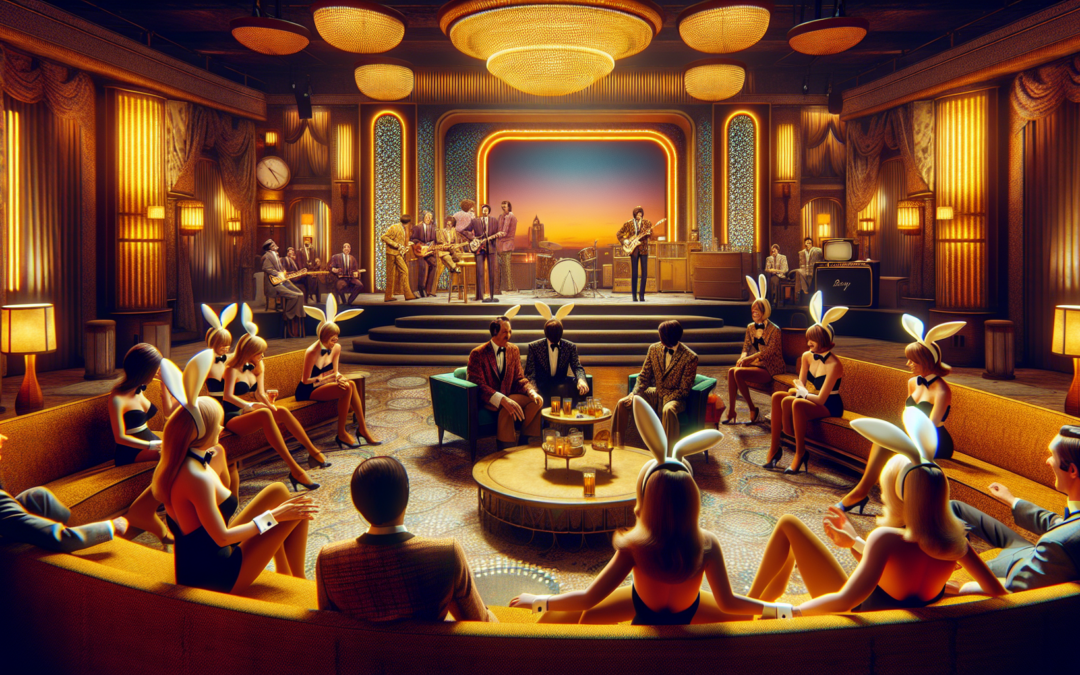
Playboy After Dark: A Cultural Phenomenon in Rock History
When we think of iconic television programs that shaped popular culture in the late 20th century, Playboy After Dark stands out not only for its entertainment value but also for its significant influence on rock music and culture. Launched in 1969, this show quickly became a showcase for some of the most respected names in music, embodying the spirit of the era.
The Birth of an Icon
Playboy After Dark emerged as Hugh Hefner’s ambitious attempt to blend the worlds of sophisticated entertainment with the burgeoning rock and soul scene. Airing from January 1969 to May 1970, the show was filmed in a lively setting reminiscent of Hefner’s Playboy Clubs, featuring alluring Playboy Bunnies and an eclectic lineup of musical guests. It provided a unique platform for emerging rock artists, thereby promoting a cultural shift that resonated deeply with audiences.
Trailblazing Musical Acts
Each episode of Playboy After Dark was a musical feast, featuring legendary acts of the time. The inaugural episode featured gospel singer Clara Ward, but it wasn’t long before the show delved into the rock landscape. Notably, the second episode welcomed Bill Medley of the Righteous Brothers and the influential band Iron Butterfly, known for their groundbreaking anthem “In-A-Gadda-Da-Vida.” These appearances set the tone for what was to come.
Memorable Moments in Rock History
One of the most unforgettable episodes featured the Grateful Dead, who brought an air of spontaneity seldom seen on television. The episode aired on March 22, 1969, famously turning into an impromptu “Acid Test,” thanks to some mischievous antics involving LSD. This surreal moment captured the essence of the era’s counterculture, showcasing not just music but a lifestyle and attitude.
Throughout its run, Playboy After Dark delighted viewers with performances from iconic musicians such as:
- Fleetwood Mac performing “Rattlesnake Shake”
- Deep Purple with their rendition of “Hush”
- Ike and Tina Turner covering Sly and the Family Stone
- Harry Nilsson and Marvin Gaye mesmerizing the audience
- B.B. King and Joe Cocker heating up the stage
The diverse musical offerings cultivated a rich tapestry of sound that resonated with fans, leaving a lasting legacy on rock and soul music. The show defined a generation, with influential performances remembered fondly by a nostalgic audience.
Legacy and Cultural Impact
Playboy After Dark was more than just a television program; it was a microcosm of the late 60s and early 70s—a time bursting with social change and musical innovation. It paved the way for future music television by blending entertainment with cultural commentary, influencing shows that followed. The program’s enchanting mix of music, comedy, and casual glamour helped to normalize connections between the artistic community and mainstream culture.
While the legacy of Hugh Hefner and his brand continues to be a topic of debate, there is no denying that Playboy After Dark played a crucial role in promoting the music scene of its time. According to Rolling Stone, the series gave exposure to countless artists who later became legends, transforming how music was consumed on television.
Conclusion
In retrospect, Playboy After Dark leaves behind a vibrant, eclectic legacy that continues to impact music and pop culture today. The series stands as a reminder of the era’s liberating spirit and creative expression, encapsulating a significant chapter in the story of rock music and television history.
Related Reading
- Classic Rock
- 70s Music
- Rock History
- Live Performances
- Grateful Dead
- Music Documentaries
- Cultural Impact
- Music Festivals
Watch on YouTube: