The Influence of Playboy on Rock Music
When talking about the intersection of culture and music, few platforms have made as significant an impact as Playboy. Launched in 1953 by Hugh Hefner, Playboy was not just a magazine; it became a cultural phenomenon that championed various forms of art, including rock music. Amidst the debates surrounding Hefner’s legacy, one undeniable truth remains: Playboy played a crucial role in promoting rock music and nurturing the artistic community during the tumultuous 1960s and 70s.
The Launch of Playboy After Dark
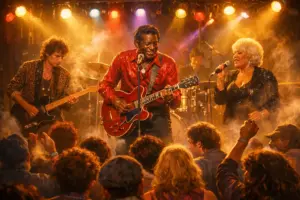
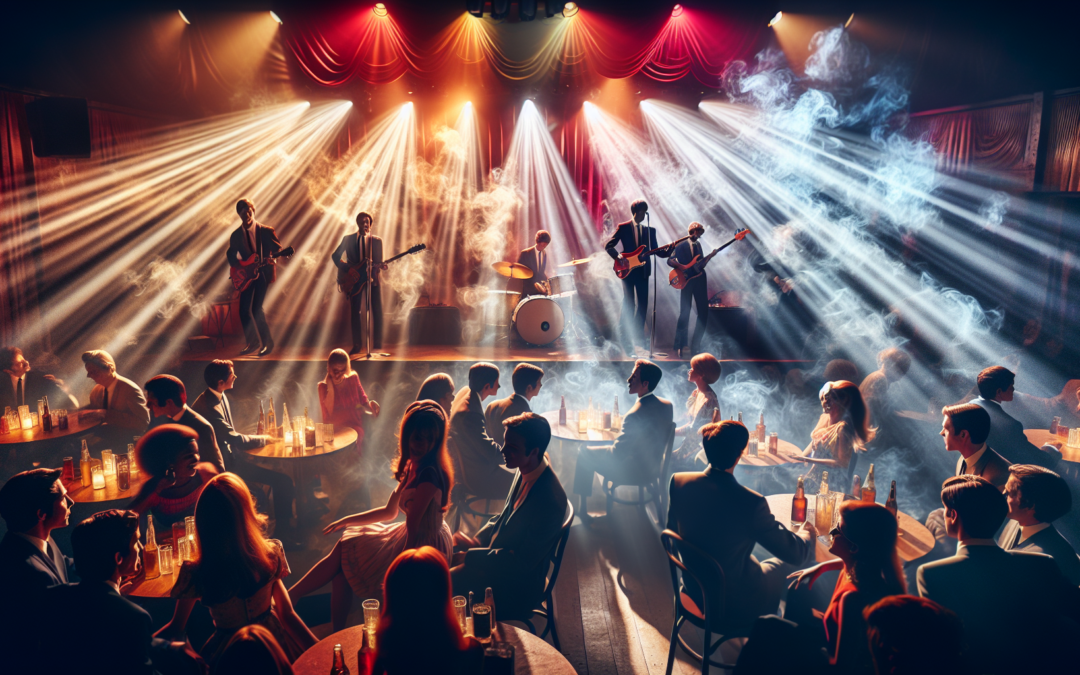
In 1969, Playboy returned to television with the show Playboy After Dark. This program was a loose representation of a party that might take place at one of Hefner’s iconic clubs, featuring live performances from some of the biggest rock artists of the time. The show aired a mix of musical genres, but its heart and soul undeniably lay in rock music. The initial episode featured gospel legend Clara Ward, but it was not long before famed rock acts began to dominate the lineup.
Noteworthy Performances that Shaped Rock
Throughout its run from 1969 to 1970, Playboy After Dark showcased a rich array of rock talent. Iconic bands like the Grateful Dead and Fleetwood Mac made appearances that not only entertained viewers but also pushed the boundaries of rock performance. Remember the infamous episode featuring the Grateful Dead? Their performance turned into an unintentional ‘Acid Test’ as intriguing as it was groundbreaking—an event highlighting the era’s experimentation and spirit. This particular show alone demonstrated how Playboy contributed to the rock music narrative by challenging social norms and expectations.
Rock Meets Cultural Revolution
As rock music evolved to reflect the turbulent social climate of the 60s, Playboy served as a platform that embraced and promoted this metamorphosis. The program often featured artists expressing their individualistic messages, thereby fostering a cultural dialogue that resonated deeply with a generation yearning for change. For instance, Marvin Gaye’s soulful performances and the heartfelt lyrics of Linda Ronstadt became pivotal artists, both gaining visibility during this innovative era.
Legacy of Playboy’s Rock Influence
The legacy of Playboy transcends its magazine’s pages; it became part of a collective memory of the rock scene that thrived in the late 20th century. The artists showcased on Playboy After Dark helped reflect and shape societal views, and their influence continues to be felt today. For a deeper understanding of the cultural and musical impact of this period, check out articles from trusted sources like Rolling Stone and Los Angeles Times.
Conclusion: The Enduring Impact of Playboy
In summation, Playboy did more than just champion the lifestyle of the rich and famous; it provided a vital platform for the voices of a generation. The rock music featured on its stages added a layer of depth to the cultural fabric of the time, blending entertainment with social change. As we look back on this unique chapter in music history, it is important to recognize how Playboy played a pivotal role in elevating rock to new heights.
Related Reading
Watch on YouTube: