
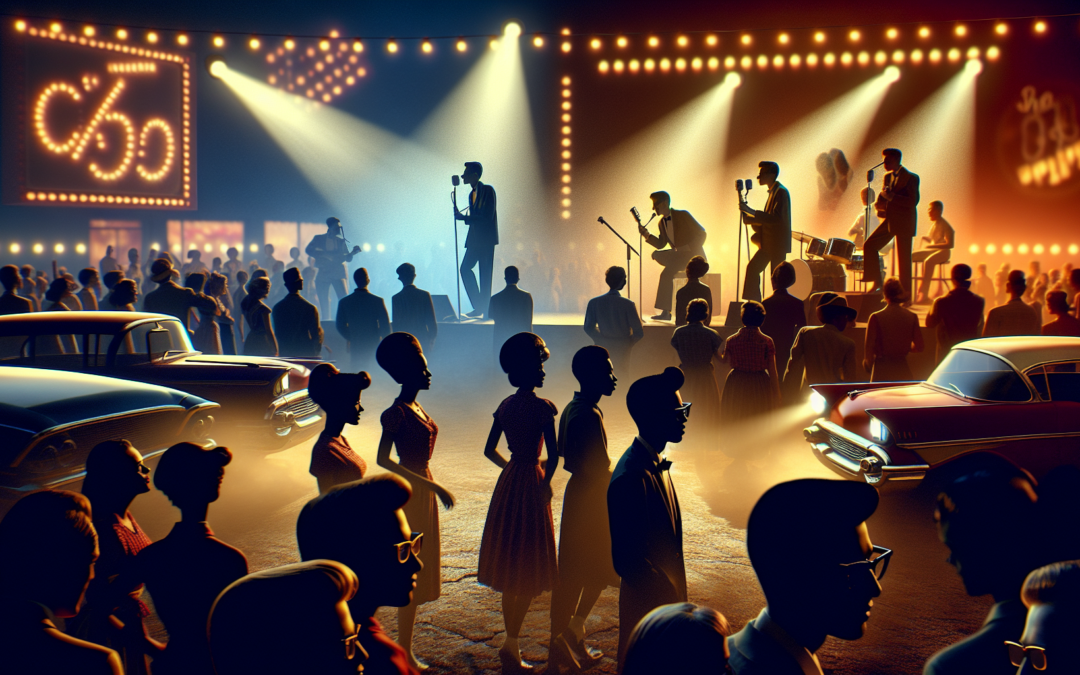
The Enduring Impact of ‘The Day the Music Died’
Every year on February 3, music lovers around the globe reflect on a somber date in rock and roll history—an event immortalized in folk culture as “The Day the Music Died.” This tragic day marks the airplane crash that claimed the lives of three influential artists: Buddy Holly, Ritchie Valens, and J.P. “The Big Bopper” Richardson. Hailing from a time when rock and roll was defined by its youthful exuberance, their untimely demise on that fateful day in 1959 left an indelible mark on the world of music, altering its course forever.
Reflecting on the Legacy of Iconic Artists
The legacy of these musicians continues to resonate even decades after their passing. Buddy Holly, known for his innovative writing and recording techniques, was a pioneer in rock music. Ritchie Valens, with his blend of rock and traditional Mexican music, brought cultural diversity into the genre. With hits like “La Bamba” and “Donna,” Valens touched the hearts of many, showcasing the early stages of rock’s evolution.
Yet, it was the haunting nature of their deaths that has cemented this date in history. As music enthusiasts reflect on their short but impactful careers, many remember it not just as a loss of talent, but as a pivotal moment that earned its place in the annals of music lore.
Stories from Those Who Were There
In the years following the tragedy, various individuals have shared their recollections of the performances by Holly and Valens. Music historian Roger Steffens recounts how he attended a mass concert featuring Holly and other rock legends, relaying the electrifying atmosphere that surrounded Holly’s on-stage presence. Such moments became cherished memories, reminders of a vibrant youthful era that ceased to exist after that disastrous crash.
The emotional impact reverberated through their communities, particularly in areas like Pacoima, California, Ritchie Valens’ hometown. Valens’ heartbreaking loss was felt profoundly among regional fans, as local radio stations mourned his passing and celebrated his contributions, highlighting the way music can both unite and grieve.
How ‘The Day the Music Died’ Changed Rock History
This incident catalyzed discussions about the safety of air travel for performers, leading to heightened scrutiny on how artists traveled while on tour. To this day, February 3 remains a poignant reminder of vulnerability in the spotlight, evoking feelings of nostalgia and loss among long-time fans and newcomers alike. As Don McLean put it in his classic song “American Pie,” this day signifies a turning point for the rock genre.
According to NPR, this tragedy is still recognized widely in popular culture, illustrating how the legacy of Holly, Valens, and Richardson transcends the limits of their brief careers. Their music has been immortalized in countless covers, documentaries, and retrospectives that pay tribute to their craftsmanship and influence.
Remembering the Legends
As we continue to celebrate the legacy of these rock and roll pioneers, it is vital to recognize how their contributions laid the foundation for future artists. Commemorations of “The Day the Music Died” remind us of the fragility of life and the importance of preserving musical heritage.
In Conclusion
The tragic end of Buddy Holly, Ritchie Valens, and J.P. “The Big Bopper” Richardson reminds us of the transient beauty of art and life. Each February 3, we reflect not only on their lost potential but also on the monumental influence these artists have had on music as we know it today. Their stories, their songs, and the lessons learned from their experiences continue to shape the landscape of rock and roll.
Related Reading
Watch on YouTube: