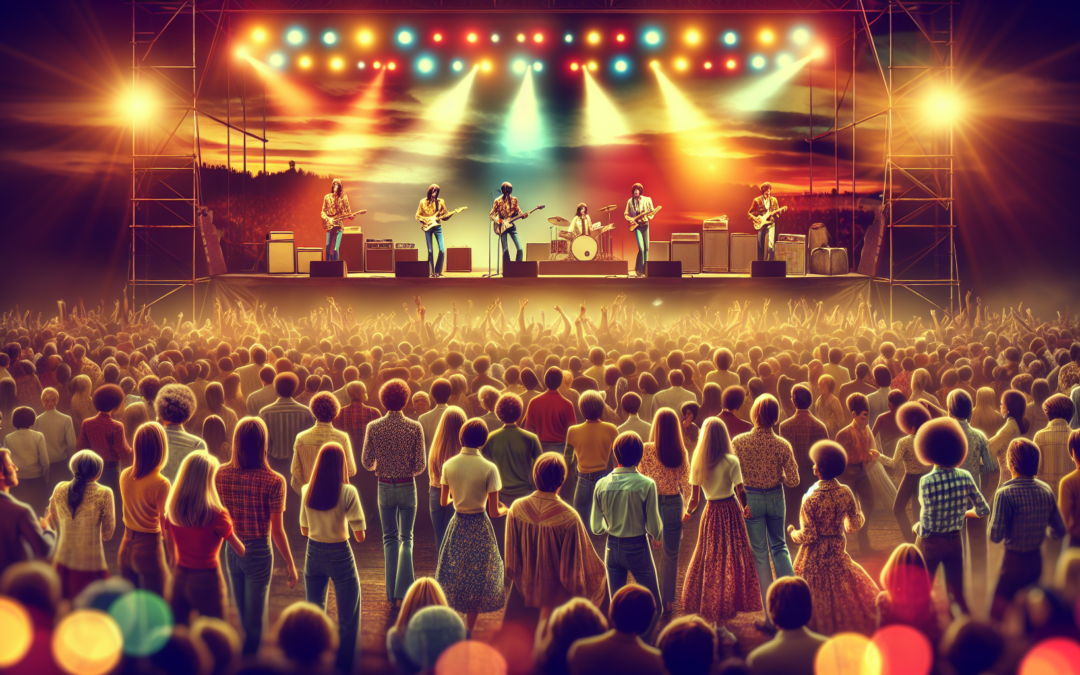
Exploring the Impact of Rock Music on Society and Culture
Rock music has long been a driving force in shaping not just the landscape of popular music, but also the very fabric of modern culture. From its roots in the energetic and rebellious sounds of the late 1940s to its status as a dominant genre today, rock music continues to influence artists, fans, and the industry itself.
The Golden Era of Rock: 1968 and Beyond
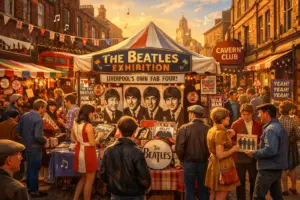
The year 1968 was pivotal in the history of rock music. This era was characterized by a series of groundbreaking album releases and unforgettable performances by legendary rock bands like The Beatles and Simon & Garfunkel, who topped charts and shaped musical trends. For instance, The Beatles’ self-titled release, commonly known as The White Album, not only captivated audiences upon its debut but became a symbol of artistic freedom that defined the classic rock ethos.
During this period, artists didn’t just create music; they started a cultural movement that influenced fashion, activism, and societal values. The collaboration between artists on various projects also highlights the unity that rock music fostered among diverse musicians. This was evident in the release of albums such as Bob Dylan’s John Wesley Harding and Jimi Hendrix’s Electric Ladyland, which showcased both innovation and homage.
Top Albums of 1968: A Snapshot of Music History
- Bob Dylan – John Wesley Harding: This album, released just before the end of 1967, became an instant classic and introduced audiences to profound lyrical narratives.
- The Beatles – The Beatles (The White Album): Released in November, this album highlighted the band’s versatility and saw the range of their musical styles expand further than ever.
- Simon & Garfunkel – Bookends: Featuring hits like “Mrs. Robinson,” this album was crucial in their rise during a year marked by transformative music.
These essential album releases not only signify the rock music scene’s vibrancy in 1968 but also mark the beginning of a new, experimental phase in music history.
Rock Music’s Evolution and Cultural Significance
As rock music evolved, it carried with it messages that resonated through generations. The genre’s ability to capture the human experience—from love and loss to political upheaval—solidified its relevance. Artists pushed boundaries, embracing new styles and sounds that reflected societal changes. One notable aspect was the emergence of subgenres like punk rock and heavy metal in the late 1970s, which introduced even more diversity to the rock music landscape.
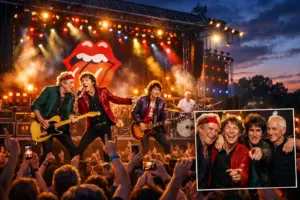
By the close of the 20th century, classic rock icons like The Rolling Stones, Led Zeppelin, and others had paved the way for future generations, ensuring that the essence of rock music would live on. Even today, we see the influence of these bands in modern hits, highlighting the lasting power of their legacy.
Rock Music Today: New Releases and Tours
Looking towards the future, the world of rock music shows no signs of slowing down. With upcoming album releases and renewed tours from beloved artists, including planned series from legends like Billy Joel and Peter Frampton, the genre continues to captivate audiences. According to NPR, these events serve as a bridge between the past and present, allowing new fans to experience the iconic music that has defined generations.
As we look to the future, it’s clear that rock music will continue to inspire new artists and fans alike, ensuring that its storied legacy remains vital in our cultural landscape.
Conclusion
From its explosive inception in the mid-20th century to its present day renaissance, rock music remains a powerful and engaging genre. Whether you’re a fan of classic rock or new wave punk, understanding the musical giants and their contributions to the genre enriches appreciation for the music that shapes our world. As we explore this journey together, let’s celebrate the evolution and cultural significance of rock, and embrace its ever-expanding legacy.
Related Reading
- Rock Music
- Album Releases
- Classic Rock
- 1970s
- 1960s
- Music History
- Covers
- Tour Announcements
- Documentaries
Watch on YouTube: