Exploring the Legacy of ‘Dirty Water’: A Garage Rock Classic
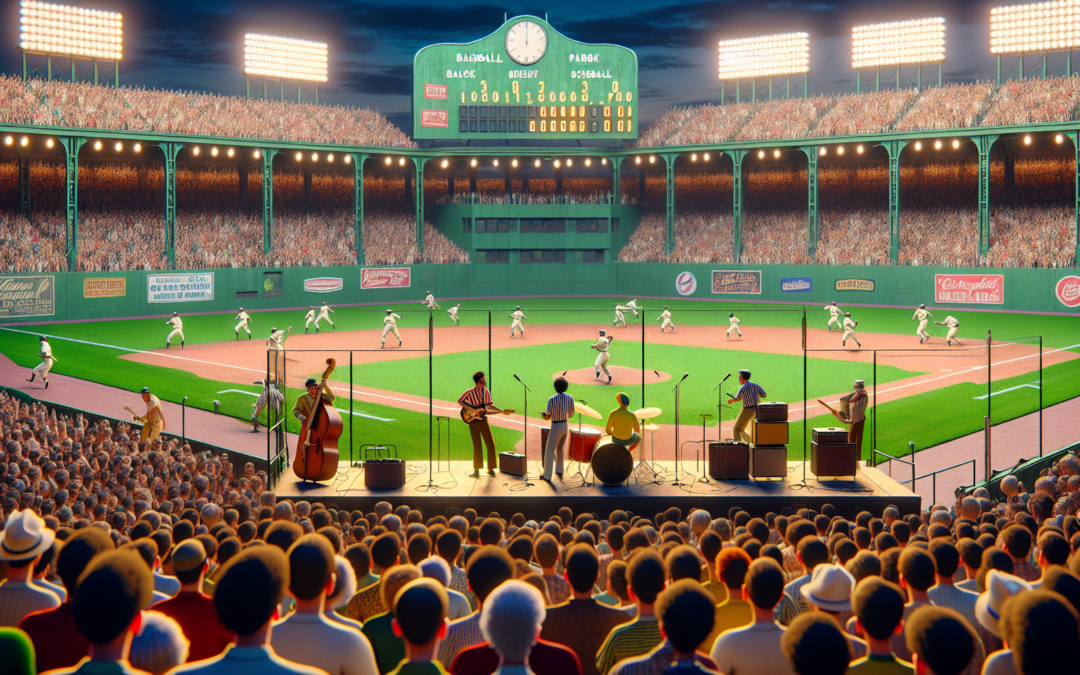
When the Boston Red Sox secure a win, fans are treated to an iconic ritual: the unmistakable sounds of “Dirty Water” by The Standells echo throughout Fenway Park. This garage rock classic has cemented its place in music history since its release in 1966, serving as both a love letter to the city and a testament to the vibrancy of the garage rock movement.
The Story Behind ‘Dirty Water’
Written by songwriter Ed Cobb, “Dirty Water” captures the essence of Boston, embodying a spirit that resonates deeply with locals. The lyrics paint vivid images of life along the Charles River, where love meets crime and camaraderie is forged in the urban landscape. With memorable lines like:
“Oh, but they’re cool people / Well, I love that dirty water / Oh, Boston, you’re my home”
these words have become anthemic for Boston fans. The Standells, originally formed in Los Angeles in 1962, had to navigate a challenging music scene before this song brought them national recognition.
The Band’s Journey
The Standells’ lineup solidified over the years, featuring Larry Tamblyn (vocals, keyboards), Dick Dodd (lead vocals, drums), Gary Lane (bass), and Tony Valentino (guitar). Initially, the group struggled with their earlier singles; however, with Cobb producing, “Dirty Water” transformed into a hit. It peaked at #11 on the Billboard Hot 100 and reached #7 on the Record World charts on July 16, 1966.
Interestingly, the arrangement of the song was a collaborative effort. Tamblyn recalled how the band infused their style into Cobb’s original blues structure, which added a fresh, garage rock flavor to the classic tune. Strands of punk influence can be felt in Dodd’s vocal delivery, creating an attitude that resonated with fans.
A Love Story Remembered
Sadly, the music world lost Larry Tamblyn on March 21, 2025. Reflections of his enduring influence were echoed in tributes that celebrated his life and the legacy of the Standells. Beyond “Dirty Water,” the band released other notable tracks, including “Sometimes Good Guys Don’t Wear White” and “Why Pick on Me,” that highlight their contribution to rock history.
The cultural significance of “Dirty Water” persists, not just as a beloved song but as a narrative that represents the heart of Boston. The connection between sports and music is evident, as this garage rock classic has become an integral part of Red Sox celebrations, infusing local pride into the sporting experience.
Why ‘Dirty Water’ Remains Relevant
More than just a catchy tune, “Dirty Water” is a cultural artifact, illuminating Boston’s gritty charm. It’s celebrated by musicians and fans alike, influencing new generations. The song is frequently covered and sampled, continuing to inspire a diverse range of artists and genres within the garage rock genre. As the song’s message reflects resilience and affection for one’s roots, it remains timeless.
You can hear “Dirty Water” echoing across sports arenas and living rooms alike, a reminder of the fusion between music and memory, cementing its place in the canon of American rock. For more insights on the evolution of garage rock, consider checking out resources from Rolling Stone or NPR.
Related Reading
Watch on YouTube: