The Legacy of Tower Records: A Journey Through Music History
When you think of iconic retail spaces from music history, Tower Records undoubtedly stands out. Founded by Russ Solomon in 1960, this beloved record store transformed how music lovers discovered and purchased their favorite albums. Its story spans several decades, encapsulating a unique moment in time when the music industry flourished and consumer behavior began to shift dramatically. Understanding the evolution of Tower Records not only sheds light on music history but also reflects broader cultural shifts in America.
The Rise of Tower Records
Originating in San Francisco, Tower Records quickly became a household name in the music retail landscape. Solomon’s vision created a space where customers could connect with the music they loved in an atmosphere that celebrated the culture surrounding it. According to a report, Tower Records was not just a store; it was a phenomenon that attracted musicians and fans alike, creating a vibrant community. From the late 1960s through the ’70s, Tower became the epicenter of the pop music revolution.
The Experience: More Than Just a Record Store
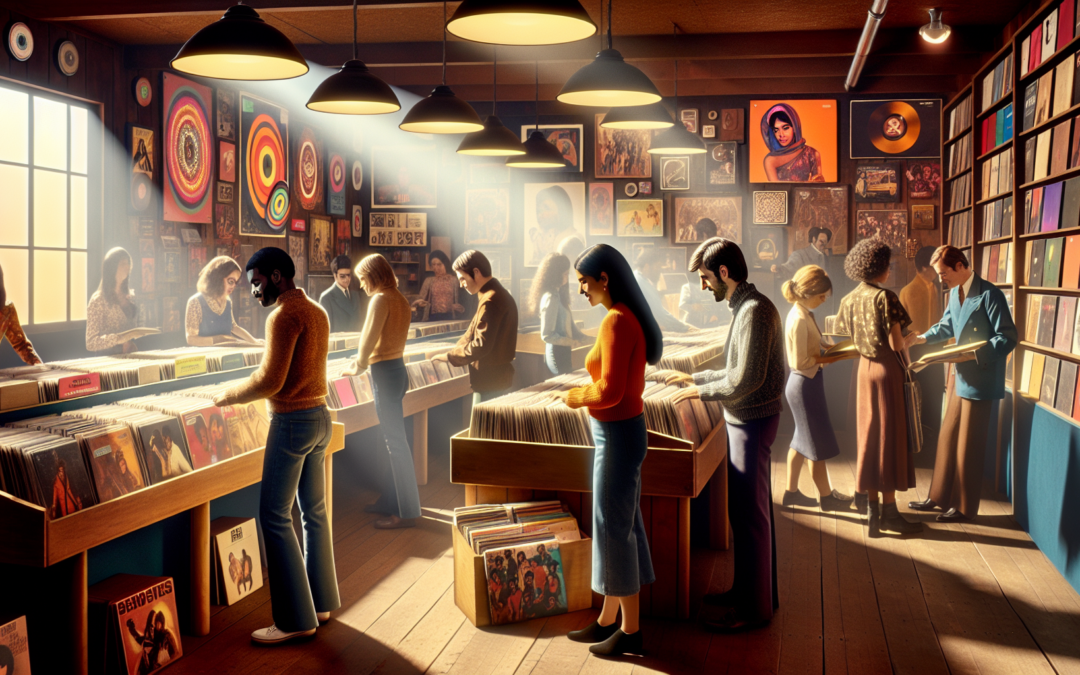
What set Tower Records apart was its approach to customer engagement. Instead of a strict retail environment, employees were passionate music fans themselves, creating an inviting atmosphere. Solomon recalls, “The people behind the counter were the same people shopping for records.” This culture allowed for local buying decisions that resonated with the communities they served, as each store had its unique identity that represented its city.
Merchandising Innovation and Community Focus
The revolutionary merchandising ideas emerged from the staff who understood what music fans wanted. They were not limited by corporate policies, making the shopping experience more personal and enjoyable. Decades before the rise of online shopping, Tower Records offered a diverse selection of albums, catering to an expanding array of musical tastes and preferences.
The Decline and Legacy of Tower Records
As digital music began to dominate the industry, Tower Records faced significant challenges. The company expanded globally and opened stores in major cities, including a memorable location on Broadway in New York City. However, by 2006, Tower succumbed to a changing market and financial strain, closing its doors. NPR elaborated on the nostalgic sentiment many hold for the store, illustrating how Tower not only revolutionized music retail but also represented a community that fostered creativity and passion for music.
Continuing the Spirit
While Tower Records may no longer exist in its original form, its influence persists. The remaining independent stores in places like Japan continue the legacy by fostering local music culture and connecting fans with artists. The spirit of Russell Solomon’s vision lives on, reminding us that music retail can be about more than just transactions—it can be a celebration of culture.
Related Reading
Watch on YouTube: