
Exploring the Legacy of Paper Lace: More Than Just a One-Hit Wonder
The music landscape of the 1970s was rich and diverse, filled with artists who either soared to stardom or faded into obscurity. Among these artists is the one-hit wonder band, Paper Lace, renowned for their chart-topping single, “The Night Chicago Died.” Although they enjoyed a brief moment of glory in the U.K., their impact on the American music scene remains a subject of intrigue. Today, let’s delve into their journey and the factors that defined their elusive success.
The Rise of Paper Lace
Formed in Nottingham, England, in the early 1970s, Paper Lace was initially a rock band known for their vibrant, melodic sound. Their early work included various singles, but it wasn’t until 1974 that they released the monumental hit “The Night Chicago Died.” This song, a narrative about crime in the Windy City, captivated audiences and became a staple on radio stations across the U.S. and U.K.
According to BBC Music, “The Night Chicago Died” not only climbed the charts but also resonated with the cultural zeitgeist of the era. Its catchy melody and engaging storytelling secured its place as a classic, making Paper Lace a well-known name, albeit briefly.
A Closer Look at Their Success
While Paper Lace had other singles, none reached the pinnacle of success that “The Night Chicago Died” achieved. This phenomenon often defines a one-hit wonder, where an artist struggles to replicate their initial success. In the case of Paper Lace, their subsequent releases failed to capture the same audience, which is a common fate for many artists in the entertainment industry.
The “One-Hit Wonder” Phenomenon
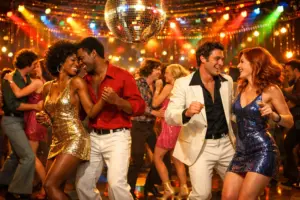
Understanding the one-hit wonder label requires examining both market dynamics and audience engagement. Often, fleeting trends or unique sounds capture public attention, only to be replaced by emerging artists and new musical styles. For example, the rise of disco in the late 1970s shifted listener preferences, making it difficult for bands like Paper Lace to compete.
As noted in an analysis by NPR, the landscape of the music industry is unforgiving for those who fail to evolve or adapt their sound to changing times. This was a significant challenge for Paper Lace, whose attempts to create follow-up hits didn’t resonate with the public.
Why We Remember Paper Lace
Despite their status as a one-hit wonder, Paper Lace holds a nostalgic place in the hearts of many music lovers. “The Night Chicago Died” is often played on classic revival radio stations, symbolizing an era steeped in both musical experimentation and storytelling. The catchy chorus invites listeners to reminisce about a time when stories were conveyed through song, and Paper Lace does just that.
Moreover, the enduring nature of their music’s themes—crime, romance, and city life—continues to fascinate audiences. They exemplify how a single song can transcend its moment in time and become part of our cultural fabric.
Conclusion
Paper Lace may have been branded a one-hit wonder, but their legacy is complex and textured. Their music invites new generations to explore the past while highlighting the sometimes unpredictable nature of the music industry. In a world of ever-changing trends, one can’t help but appreciate the power of a single song that can encapsulate so much emotion and storytelling.
Related Reading