Understanding the Legacy of ‘Get Back’
The Get Back project by The Beatles holds a unique and sometimes confusing place in music history. Initially intended as a return to their roots, the album went through many transformations before it took shape in 1969. Following the release of Abbey Road and Let It Be, the Get Back sessions have become more than just an album; they are an emblem of a pivotal time in rock music.
The Beatles: The End of an Era
The timeline of The Beatles’ final albums can be bewildering. After Abbey Road was released on September 26, 1969, and Let It Be followed on May 8, 1970, the Get Back album was supposed to be another landmark. However, its journey was rocky, filled with studio tensions and evolving artistic visions. The intention was for the 1969 sessions to pull the band back to their simpler roots—the very essence of rock music.
As fans and critics explore this classic rock artifact, they often find themselves drawn to how Get Back encapsulated the essence of The Beatles just before their dissolution. The album was much more than a product; it represented a complex amalgamation of friendship, creativity, and artistic identity.
A Deep Dive Into the 1969 Sessions
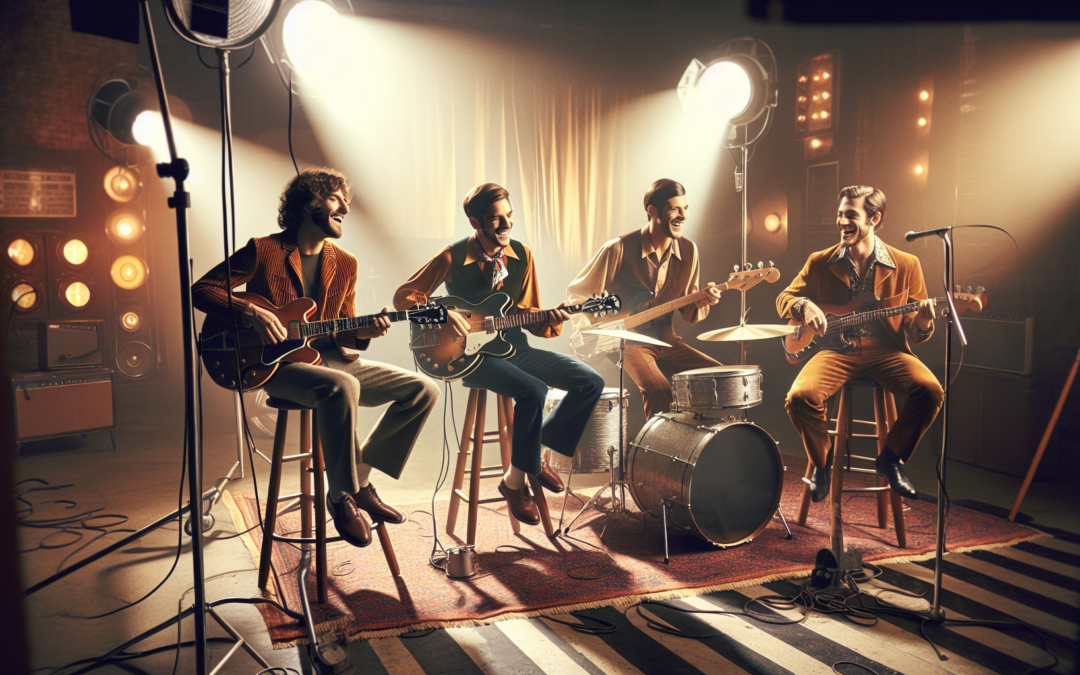
The Get Back sessions were characterized by a refreshing spontaneity that had been missing in their later work. The initial idea was to showcase the band in a raw, unrehearsed format, a stark contrast to the meticulously produced sound that defined Let It Be. During these sessions at Twickenham Film Studios, the band members engaged in jam sessions that juxtaposed their polished hits with more casual and exuberant performances.
- The raw energy of songs like “I’ve Got a Feeling” and “Don’t Let Me Down”
- The playful nature of “Maggie Mae,” which emerged from the spirit of the times
- Improvisations that reflect the camaraderie and fun the group shared
This blend of structured compositions and improvised segments creates an organic feel that resonates deeply with listeners. As music critic Rolling Stone highlights, the free-spirited approach within Get Back signifies not only the artists’ internal battles but also their evolution as musicians.
Why ‘Get Back’ Matters in Music History
Beyond just another entry in their discography, Get Back acts as a bridge connecting The Beatles’ earlier, simpler songs with the more complex artistic expressions found in later albums. Listening to the expanded edition of Let It Be highlights the dual purpose of the sessions: to document the band’s obvious chemistry while also reflecting the tensions that ultimately drove them apart. Understanding where Get Back fits in their timeline enriches our appreciation of one of the greatest bands in rock music history.
The complex narrative woven through this album makes it compelling; the relationship between John Lennon, Paul McCartney, George Harrison, and Ringo Starr adds even more weight to the stories behind the recordings. As their artistic expressions began to diverge, Get Back becomes a testament to their collaboration, even as it foreshadows their impending separation.
Conclusion: More Than Just an Album
In retrospect, Get Back serves as an important chapter in the Beatles’ saga. Its significance stretches beyond mere nostalgia; it encapsulates the spirit of an era defined by experimentation in rock music. The joyous, albeit complicated atmosphere during the 1969 sessions reflects the ebb and flow of a band on the brink of change. The music they produced in these sessions continues to resonate, representing the heart of The Beatles in its most authentic form.
Whether you explore Get Back through an album review or a listen to its many captivating tracks, it remains a critical part of understanding not just The Beatles’ legacy but the larger narrative of rock music itself.
Related Reading
Watch on YouTube: