The Historic Impact of Live Aid
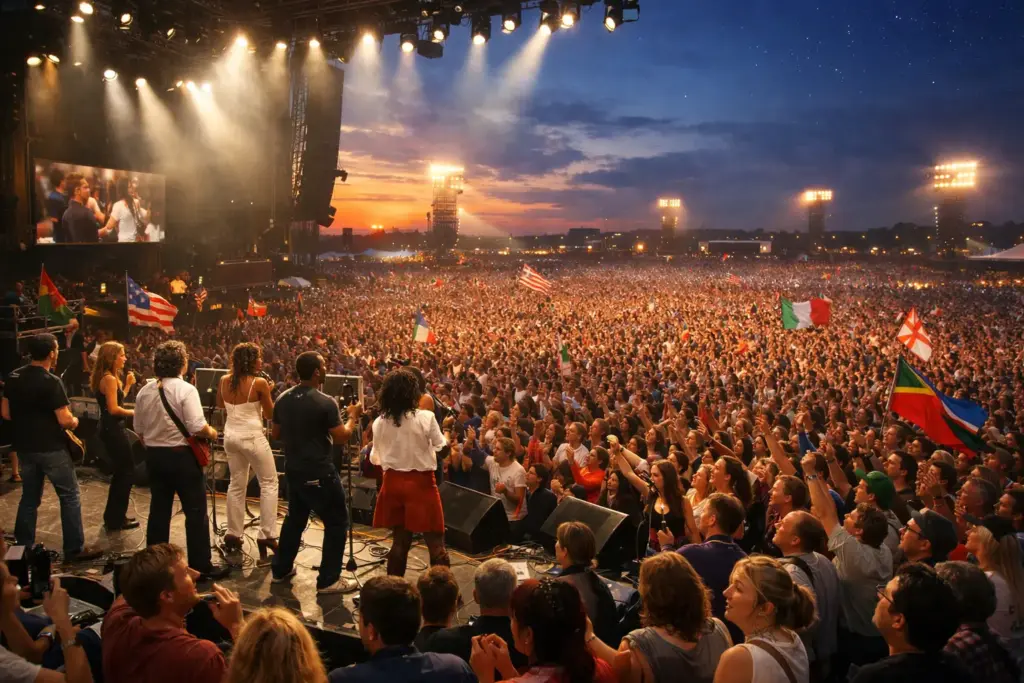
In July 1985, the world witnessed Live Aid, a concert that would go down in history as one of the largest and most influential charity events ever organized. This monumental concert was not just about music; it marked a pivotal moment in humanitarian efforts, showcasing how the power of music could unite people across the globe for a noble cause. Featuring an incredible lineup of artists from diverse genres, Live Aid was broadcast live across continents, aiming to raise funds for famine relief in Ethiopia.
The Genesis of Live Aid
Live Aid was orchestrated by Bob Geldof and Midge Ure, following the devastating famine in Ethiopia that had claimed countless lives. The vision was simple yet ambitious: to gather some of the biggest names in music to perform simultaneously in two venues—Wembley Stadium in London and John F. Kennedy Stadium in Philadelphia. This event aimed to raise awareness and financial support, and its footprint was nothing short of revolutionary.
An Unforgettable Lineup
The lineup for Live Aid was a veritable who’s who of music. Legendary performers such as Queen, U2, David Bowie, and Elton John graced the stages, delivering iconic performances that resonate to this day. Queen’s set, in particular, remains one of the highlights of the event, with their electrifying rendition of “Radio Ga Ga” captivating the massive audience both live and on TV. According to BBC, the concert reached an estimated global audience of 1.9 billion across 150 nations, making it a historic moment in broadcast history.
The Legacy of Live Aid
While initially intended to raise funds, the impact of Live Aid extended far beyond financial contributions. The concert galvanized a generation, creating a deeper global consciousness about poverty and humanitarian issues. The funds raised during this landmark event exceeded $125 million, demonstrating the willingness of people to support a cause when united through music. As referenced by Forbes, the success of Live Aid has influenced countless charity events in the following decades, setting a powerful precedent for uniting entertainment and philanthropy.
Continuing the Mission
Today, the spirit of Live Aid lives on through various initiatives that continue to blend music with social consciousness. Modern concerts often emulate the model established by Geldof and Ure, combining star power with altruism. This legacy serves as a reminder that artists can wield significant influence in driving change and raising awareness about critical issues facing our world.
Conclusion
Live Aid stands as a monumental testament to what can be achieved when individuals come together for a common cause. It reshaped the landscape of charitable giving in the music industry, proving that every note played can contribute to changing the world for the better.
Related Reading