Exploring the Legacy of Tower Records in Music Retail
Tower Records stands as an enduring emblem of music retail history, capturing the essence of a bygone era when vinyl records and classic rock dominated the audio landscape. Founded in the heart of Sacramento, California, in the early 1970s, Tower Records revolutionized how music lovers accessed their favorite tunes, merging retail with a passionate customer experience. From its roots in vinyl to its strategic expansion, the story of Tower Records is deeply intertwined with the evolution of the music industry.
The Rise of Tower Records
At its peak during the 1980s, Tower Records served as a cultural oasis for music enthusiasts. The store became a sanctuary where people gathered not just to shop but to share musings on their favorite artists, engage in passionate discussions about new releases, and discover hidden gems in the extensive catalog. The magic of Tower Records lay in its ability to curate personalized music experiences, thanks to an interface of knowledgeable staff and the vibrant atmosphere of its record stores.
The irreplaceable Pulse Magazine, a free monthly publication sponsored by Tower Records, contributed significantly to this music revival. Writers had the freedom to explore a myriad of genres, bridging gaps between burgeoning indie labels and mainstream giants, thereby redefining music journalism in an era long before digital platforms took the stage.
The Unique Shopping Experience
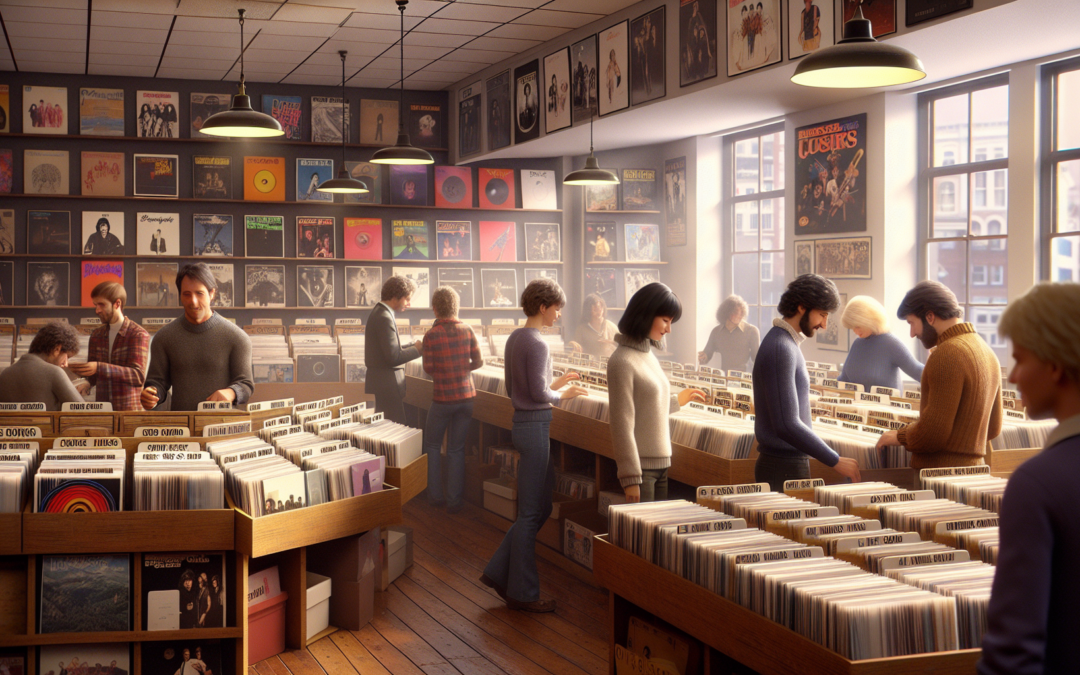
Unlike typical record stores, Tower Records thrived on its unique shopping experience. Each location had a degree of autonomy allowing them to determine what music, whether vinyl records or cassette tapes, should be featured on their shelves. This meant that music lovers could often find rare pieces from classic rock bands alongside the latest chart-toppers, implicating the diversity of their inventory in shaping music history.
- Atmosphere: At Tower Records, browsing through stacks of vinyl records wasn’t just shopping; it was an immersive experience.
- Community: Regulars often met fellow enthusiasts, sharing recommendations that enhanced their music repertoire.
- Knowledgeable Staff: Employees with a genuine passion for music led to invaluable insight into underground tracks and upcoming artists.
The Digital Shift and Legacy Impact
As CDs began to dominate and the internet reshaped music acquisition, Tower Records faced unprecedented challenges. However, the brand’s commitment to quality service and extensive knowledge kept it relevant longer than many competitors. Directors like Colin Hanks have illuminated these struggles in documentaries like “All Things Must Pass,” reflecting on how Tower Records embodied a significant chapter in the transition within the music industry.
During the 1990s, as digital music began its ascent, those nostalgic for the tactile pleasures of vinyl and physical album art held tight to the legacy of Tower Records and its distinctive culture. It played a pivotal role in preserving what many see as the heart of music appreciation during a tumultuous period in music retail.
Conclusion: A Tribute to a Music Icon
Today, the spirit of Tower Records lives on in the hearts of music lovers and collectors worldwide. While we may download music with the tap of a button, the thrill of searching through rows of records and connecting with fellow aficionados remains unmatched. The cultural legacy established by Tower Records continues to influence new generations of artists and fans alike, bridging the gap across different eras of music history.
For more insights into the evolution of music retail and its lasting impact, visit Billboard or explore the detailed histories available at Rolling Stone.
Related Reading
Watch on YouTube: