The Evolution of Rock Music in the 1970s
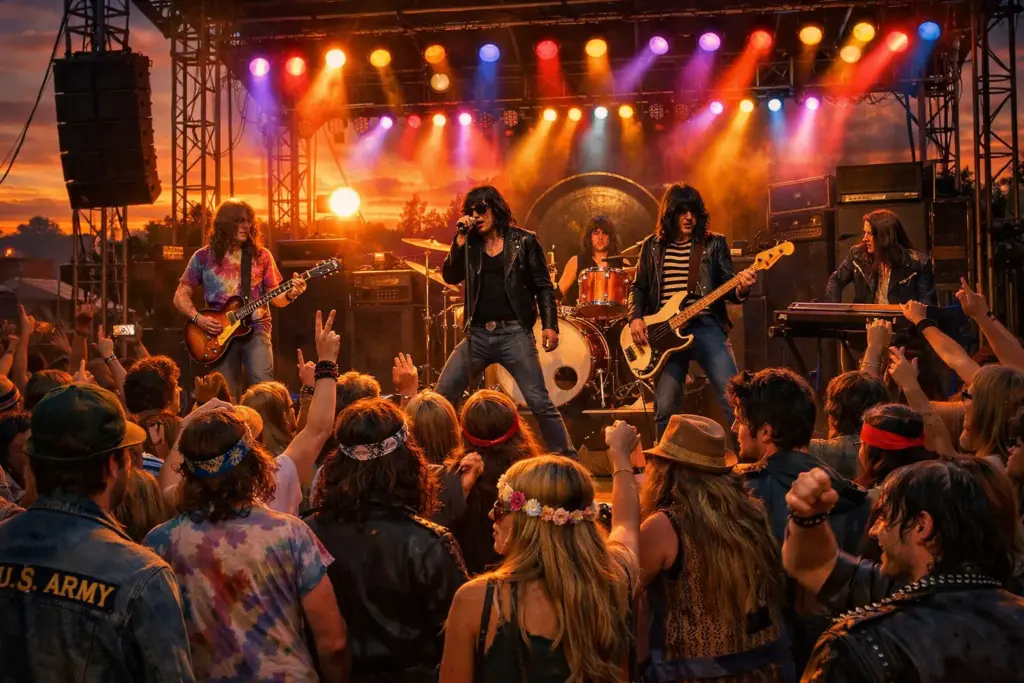
As the world transitioned into the 1970s, rock music began to evolve in dramatic ways. While many beloved artists from the 1960s remained in the spotlight, a wave of new talent emerged, introducing innovative subgenres that would shape the future of the genre.
Emergence of New Subgenres
The 1970s marked a pivotal moment in the history of rock music. The foundation laid by rock pioneers like The Beatles and The Rolling Stones was expanded upon as fresh sounds and techniques found their way into the genre. Notable subgenres emerged during this decade, transforming the landscape of rock music:
- Progressive Rock: Bands like Pink Floyd and Yes pushed the boundaries of traditional rock with complex compositions and elaborate live performances.
- Punk Rock: Artists such as The Ramones and Sex Pistols emerged, bringing a raw and rebellious infusion to rock music, challenging mainstream norms.
- Heavy Metal: Bands like Black Sabbath and Led Zeppelin paved the way for a harder-edged sound that captured a new generation’s imagination.
Iconic Artists and Their Influence
Throughout the decade, several artists not only dominated the charts but also challenged the cultural landscape. Rock music icons began to address social issues through their lyrics, embracing both personal and political themes. For instance, according to History, artists noted for their revolutionary approaches included:
- David Bowie: His alter ego, Ziggy Stardust, epitomized the era’s spirit of reinvention and theatricality.
- Fleetwood Mac: With their distinct blend of rock and pop, they captured the complexities of love and relationships in songs that resonate to this day.
Technological Advancements
Technological innovation also played a crucial role in the progression of rock music. The introduction of multi-track recording allowed artists to layer sounds in unprecedented ways, resulting in richer and more intricate albums. This coincided with the rise of FM radio, which offered a platform for emerging bands and allowed them to reach wider audiences. As fans tuned in, they discovered a wealth of new rock music that showcased the creativity of the era.
The Lasting Impact of the 1970s Rock Scene
The diversity in rock music during the 1970s set the stage for future developments in the genre. Artists from this time period not only influenced their contemporaries but also left a lasting legacy that can be felt in today’s music scene. From the arena rock anthems of Queen to the introspective ballads of Elton John, the 1970s produced an array of sounds that continue to inspire and captivate audiences across generations.
For further insights into the transformative power of rock music, you can explore resources like Rolling Stone, which provides a comprehensive look at influential rock bands that defined the genre.
Conclusion
The journey of rock music through the 1970s is a testament to its adaptability and enduring appeal. As we look back at these rich decades, it’s clear that the artists who emerged during this time left an indelible mark not only on the music industry but also on popular culture as a whole. The innovations and cultural shifts that took place in this era continue to resonate within the music we enjoy today.
Related Reading