The Myth and Reality of Woodstock: A Deep Dive
The 1969 Woodstock festival remains one of the most iconic events in music history, symbolizing both the spirit of the 1960s and the evolution of popular culture. While many have romanticized the festival, the Woodstock myth often clouds the reality of what actually transpired during those fateful days in upstate New York. This post seeks to uncover the truth behind the myths and examine how historical events can transform into cultural legends.
The Origins of the Woodstock Festival
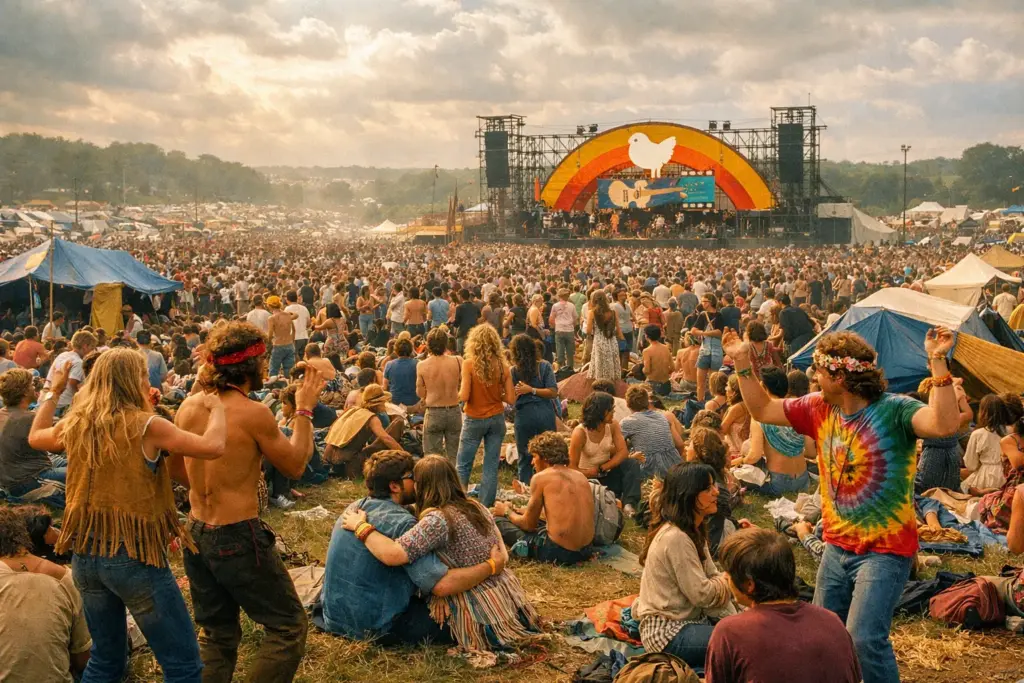
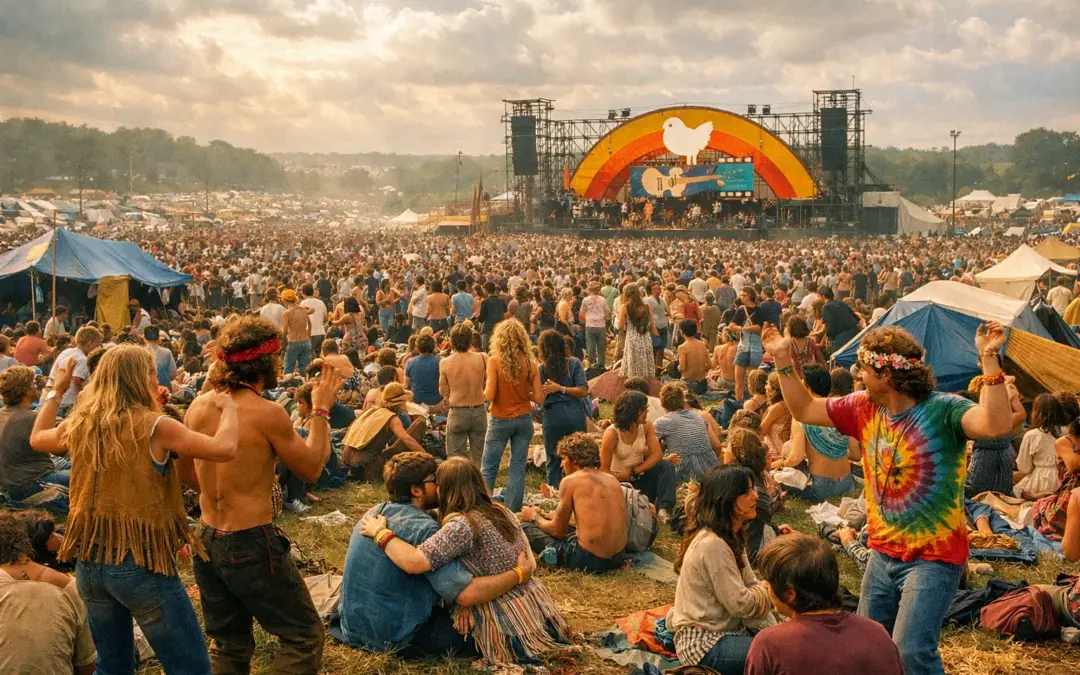
Initially planned as a profit-driven event, the Woodstock festival quickly evolved into a gathering meant to showcase peace, love, and music. Designed to attract a few thousand attendees, the festival exploded in popularity, ultimately welcoming over 400,000 people. This shift indicates not only the burgeoning counterculture of the era but also the spontaneous nature of the event. According to a report by History.com, the festival was unprepared for such a massive turnout, leading to various issues that contrasted sharply with the idealistic front portrayed in media coverage.
The Music That Made History
The enchanting lineup at Woodstock featured legends such as Jimi Hendrix and Janis Joplin, whose performances are etched in the annals of rock music history. Each act contributed to a collective experience that enveloped attendees in a sense of unity, although it also marked significant cultural shifts. The disparity between the festival’s peaceful intentions and the chaotic reality of its execution provides fertile ground for exploring how music history often embellishes the truth.
Debunking the Woodstock Myths
Many myths surrounding Woodstock paint it as a flawless utopia. However, the reality was far more complex. Issues such as overcrowding, unsanitary conditions, and logistical challenges plagued the event. The romanticization of Woodstock can sometimes overlook these fundamental aspects. According to Rolling Stone, the festival’s chaos did not diminish its impact on music and culture; rather, it showcased the challenges of organizing such a monumental event amidst a backdrop of social upheaval.
The Cultural Impact of Woodstock
Despite the challenges faced, the cultural impact of Woodstock has been profound. It brought to the forefront issues like civil rights and anti-war sentiments, uniting people from diverse backgrounds through music. The festival serves as a reminder of the era’s idealism, but the complexities of its execution highlight the realities hidden behind the romanticized narrative. The juxtaposition of myth and reality in Woodstock reflects broader themes relevant to societal change throughout history.
Final Thoughts
The legacy of the Woodstock festival continues to shape how we view cultural milestones. While the myths may capture our imaginations, it’s essential to remember the realities that defined the experience. As we look back on this pivotal event, let us appreciate the music, the messages, and the myriad stories that intertwine to form a captivating historical narrative.
Related Reading