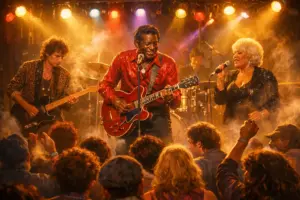

The Legacy of Wayne Fontana and the Mindbenders
The 1960s was a transformative era for music, characterized by creativity and diversity. Among the bands that contributed to this vibrant scene was Wayne Fontana and the Mindbenders, a group that not only captured the essence of the British Invasion but also laid the groundwork for future musical success. Their story intertwines with the journey of Eric Stewart and Graham Gouldman, who would later form the renowned band 10cc.
Origins of Wayne Fontana and the Mindbenders
Wayne Fontana, born Glyn Ellis in October 1945, took inspiration for his stage name from Elvis Presley’s drummer. In 1965, Fontana formed a band known as the Mindbenders, which consisted of talented musicians including bassist Bob Lang, drummer Ric Rothwell, and guitarist Eric Stewart. The group burst onto the scene with their electrifying hit “Game of Love.” This track, with its catchy melody and poignant lyrics, became a defining moment for the band.
Chart-Topping Success
“Game of Love,” written by Clint Ballard Jr., quickly climbed the Billboard charts, reaching number one in just six weeks after its release on April 24, 1965. Its infectious beat and Fontana’s dynamic vocal delivery made it a staple in the pop music history of the 1960s. The hit song remains a classic rock favorite, showcasing the enduring appeal of Wayne Fontana and the Mindbenders during the British Invasion.
The Transition: From Mindbenders to 10cc
Despite their early success, tensions rose within the band, leading to Fontana’s departure in late 1965. The remaining trio didn’t give up; instead, they continued to create music, releasing “A Groovy Kind of Love,” which also found significant acclaim. This song would eventually be revived by Phil Collins in 1988, achieving even greater popularity.
With Fontana’s exit, Eric Stewart stepped into the role of lead vocalist for the Mindbenders. His collaboration with Graham Gouldman would later evolve into the formation of 10cc, one of the era’s most innovative bands. Their harmonious blend of rock and pop, exemplified by hits such as “I’m Not in Love,” illustrated the band’s evolution from the days of Wayne Fontana and the Mindbenders.
Musical Influence and Legacy
The transition from Wayne Fontana and the Mindbenders to 10cc is more than just a career shift; it reflects a broader pattern in the evolution of pop music. As bands adapted to the changing musical landscape, they influenced countless musicians who followed. The sounds of the 1960s paved the way for new genres and styles that would emerge in subsequent decades. For further insights on the impact of 1960s music, you can explore Rolling Stone’s analysis of the decade.
Wayne Fontana’s Later Years and the Enduring Popularity of His Hits
While Wayne Fontana and the Mindbenders might have faded from the limelight, both Fontana and his former bandmates continued to influence music culture. Stewart’s subsequent success with 10cc and ongoing contributions to music demonstrated how their legacy continued. Despite the ups and downs of Fontana’s personal life, including his legal troubles later in years, his music remains an integral part of the classic rock narrative.
Moreover, their hits, especially “A Groovy Kind of Love,” serve as reminders of the innovative spirit that defined the British Invasion and contributed to the rich tapestry of pop music history.
Conclusion: The Mindbender’s Enduring Influence
The saga of Wayne Fontana and the Mindbenders serves as a testament to the unpredictable nature of the music industry, as well as the transformative power of creativity and collaboration. As we look back, we see not just a band that captured the hearts of many but also one that influenced future legends like 10cc. Their story encourages us to appreciate the evolution of music and the journeys of its creators.
Related Reading
Watch on YouTube: